A Natural Solution for California's Herds: African Catfish Peptides

California's cattle producers and agricultural communities are all too familiar with the rising challenge of antibiotic resistance, making common bacterial infections harder to treat in livestock. But imagine a future where we could tackle these infections with a natural, powerful alternative. Our research points to just that: antimicrobial peptides (AMPs) found in African catfish.

We're really excited about these peptides because African catfish thrive in pathogen-rich freshwater, naturally producing these robust immune compounds in their skin mucus as a defense. This natural origin makes them highly appealing alternatives to synthetic drugs.

Predicted Safety and Potent Action

One of the most compelling aspects of these AMPs is their predicted safety for mammals. Our initial computer analyses suggest that various catfish AMPs are generally recognized as safe (GRAS). We predict they'll be absorbed in the human intestine without causing liver, brain, or heart toxicity. Furthermore, lab tests on a promising peptide, NACAP-II, confirmed it was non-hemolytic, meaning it didn't damage rabbit red blood cells—a strong indicator of its potential safety for mammalian cells.

Beyond safety, these peptides demonstrate effectiveness against problematic bacteria. One study revealed NACAP-II's strong activity against Extended-Spectrum Beta-Lactamase (ESBL)-producing Escherichia coli—a critical concern for both animal and human health due to its resistance to many common antibiotics. Another peptide, ACAP-IV, also showed antibacterial activity against E. coli and Staphylococcus aureus. We believe these AMPs work by directly disrupting bacterial cell membranes, a mechanism that makes it harder for bacteria to develop resistance compared to how they resist traditional antibiotics.
Colusa County: Article

December 2023

December 5, 2023
Ornamental Plant of the Month Serpentine Columbine Gardens I Have Visited 1000 Palms Oasis Preserve Edible Plant of the Month Healthy Soil Recipe of the Month Pull Apart Crescent Dough Christmas Tree Garden Guide Safety Notes...
View Article
Primary Image
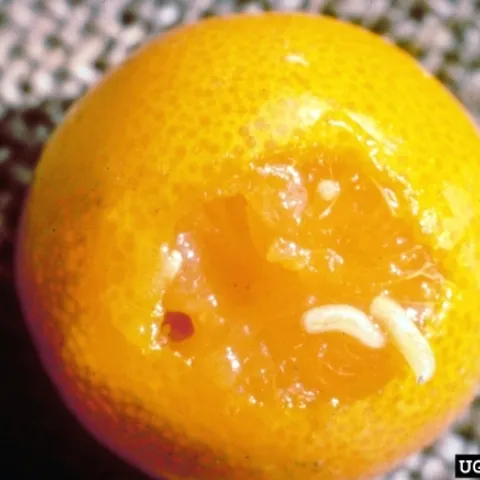
White fruit fly maggots feeding on the flesh inside of a citrus fruit.
Pests in the Urban Landscape: Article

Don’t move homegrown fruits & vegetables off your property

December 5, 2023
By Lauren Fordyce
Seven invasive fruit fly quarantines are in place throughout California. If you live within one of these quarantine zones, fruits and vegetables should not be moved off the property they were grown on.
View Article
Primary Image
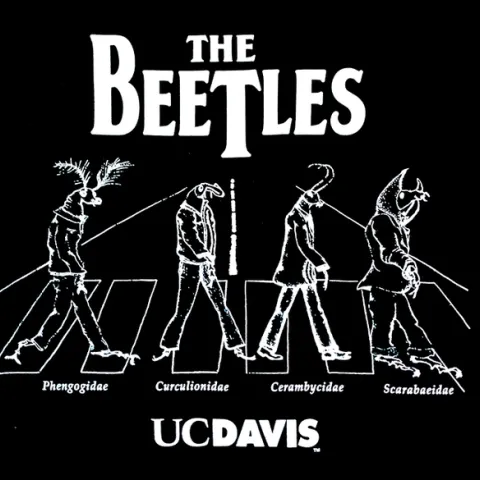
A close up of the UC Davis Entomology Graduate Student Association's all-time best-selling T-shirt, "The Beetles." Each image bears the family name: Phengogidae, Curculionidae, Cerambycidae and Scarabaeidae.
Bug Squad: Article

The Beatles vs. The Beetles: This T-Shirt Never Fails to Draw Smiles

December 4, 2023
By Kathy Keatley Garvey
Remember the celebrated image of George Harrison, Paul McCartney, Ringo Starr and John Lennon crossing Abbey Road in single file outside their studios in London? It's the cover of their final album, "Abbey Road," released Sept. 26, 1969. All the Beatles, except Harrison, are wearing designer suits.
View Article
UC Master Gardeners of Placer County: Article

Winter 2024 Curious Gardener Newsletter

December 4, 2023
In this issue: Low Maintenance Gardening, Unusual Edible: Cocoxochitl, Mediterranean Oak Borer, Myths of Winter Fruit Tree Care, Nevada County Demonstration Garden News Hotline FAQs: Redbud Damage, USDA Updates Zone Map, BotLat: Add Grasses for Winter Interest, Ground Broken for Demonstration Garden in…
View Article
Primary Image
A goat face framed with the words: UC Elkus Ranch Giving Tuesday
ANR Employee News: Article

ANR raises nearly $100,000 on GivingTuesday

December 4, 2023
By Pamela S Kan-Rice
Generous donors gave $99,446 for UC Cooperative Extension and the statewide programs, institutes and research centers that make up UC ANR, as of 11:59 p.m. at the conclusion of GivingTuesday 2023 on Nov. 28. GivingTuesday 2023 donors gave $33,353 for California 4-H youth programming.
View Article
Primary Image
bee swarm
Topics in Subtropics: Article

Bees, How to Attract Bees and What Plants Attract Them

December 4, 2023
By Ben A Faber
Common Plants to Attract California Native Bees Nearly 1600 species of native bees can be found in California's rich ecosystems and this colorful pocket-sized card set will help you select plants for your garden or landscape to support bee populations year-round.
View Article
Primary Image
wyatt jackson
Thriving Forward: Article

Meet 4-H Club President Wyatt

December 4, 2023
By Matthew R Rodriguez
Recently I [Matt] had a chance to interview 4-H youth member Wyatt who is also this year's 4-H club president for Penn Valley in Nevada County. The following are Wyatt's responses to my questions.
View Article
Primary Image
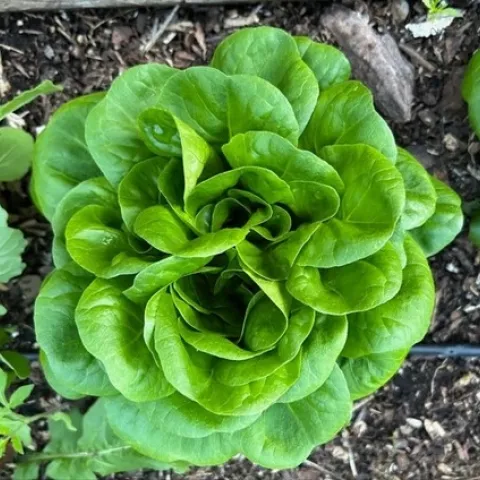
Photo of Butterhead 'Salanova' lettuce
HOrT COCO-UC Master Gardener Program of Contra Costa: Article

Growing Lettuce

December 4, 2023
By Help Desk Team
Lettuce may not be a garden crop that causes you to perk up and say, Tell me more. You may be thinking, Boring, I'll pass. Or you may be the gardener who says, I never could get that crop to grow. Whatever your current thinking about lettuce, I hope to get you excited about this humble crop.
View Article