A Natural Solution for California's Herds: African Catfish Peptides

California's cattle producers and agricultural communities are all too familiar with the rising challenge of antibiotic resistance, making common bacterial infections harder to treat in livestock. But imagine a future where we could tackle these infections with a natural, powerful alternative. Our research points to just that: antimicrobial peptides (AMPs) found in African catfish.

We're really excited about these peptides because African catfish thrive in pathogen-rich freshwater, naturally producing these robust immune compounds in their skin mucus as a defense. This natural origin makes them highly appealing alternatives to synthetic drugs.

Predicted Safety and Potent Action

One of the most compelling aspects of these AMPs is their predicted safety for mammals. Our initial computer analyses suggest that various catfish AMPs are generally recognized as safe (GRAS). We predict they'll be absorbed in the human intestine without causing liver, brain, or heart toxicity. Furthermore, lab tests on a promising peptide, NACAP-II, confirmed it was non-hemolytic, meaning it didn't damage rabbit red blood cells—a strong indicator of its potential safety for mammalian cells.

Beyond safety, these peptides demonstrate effectiveness against problematic bacteria. One study revealed NACAP-II's strong activity against Extended-Spectrum Beta-Lactamase (ESBL)-producing Escherichia coli—a critical concern for both animal and human health due to its resistance to many common antibiotics. Another peptide, ACAP-IV, also showed antibacterial activity against E. coli and Staphylococcus aureus. We believe these AMPs work by directly disrupting bacterial cell membranes, a mechanism that makes it harder for bacteria to develop resistance compared to how they resist traditional antibiotics.
Article

UC ANR Data Center cutover changed to Dec. 9

December 1, 2023
By Stephen Dampier
December 1, 2023 Based on feedback from various stakeholders regarding our Data Center move cutover activities, ANR leaders have approved adjusting the start time to accommodate critical deadlines. Originally scheduled for Friday, Dec 8, at 5 p.m.
View Article
Primary Image
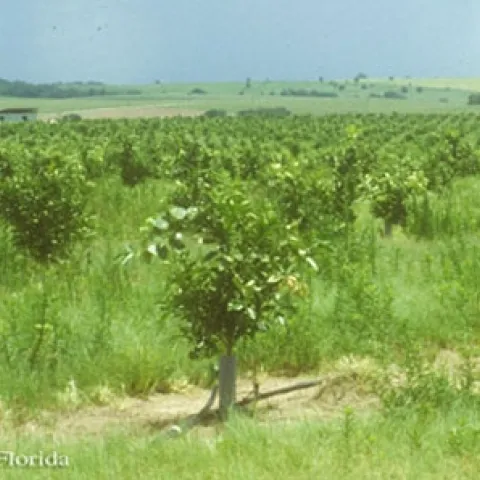
citrus weeds
Topics in Subtropics: Article

Fall Weed Control

December 1, 2023
By Ben A Faber
These are notes from Central Valley nut and grape advisors, but the comments are valid for most citrus situations. As we all know, follow pesticide labels and make sure the material is valid/legal for your situation.
View Article
Primary Image
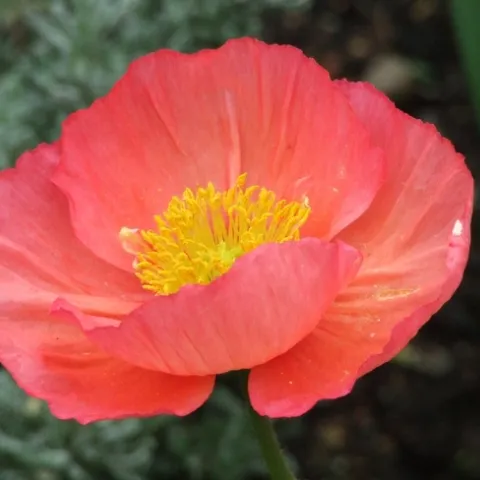
Plant Iceland poppy transplants now for stand-out spring flowers. (Photo: Pxhere)
Fresno Gardening Green: Article

This week in the garden: Dec. 1 - 7

December 1, 2023
Cultivate planting beds lightly to prevent weed germination Tasks Monitor rainfall and adjust automatic sprinklers accordingly.
View Article
Primary Image
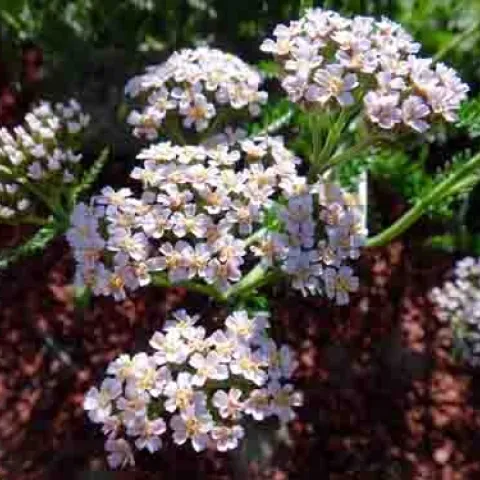
White yarrow(achillea millefolium white) is especially well-suited for a moon garden. Brent McGhie
The Real Dirt: Article

Conjure Up A Moon Garden

December 1, 2023
In these winter months,while taking stock of the past year's gardening successes and planning next year's garden, why not consider adding a moon garden somewhere in your yard?
View Article
Primary Image
Aphid Leaf. photos by Melinda Nestlerode
Under the Solano Sun: Article

Attack of the Black Bean Aphid

December 1, 2023
Planting space is at a premium in my yard. We had our pool removed in 2020, and the backyard is still widely a construction zone. Areas not currently being worked on act as a staging zone for flagstone, bricks, wood, concrete and other construction materials.
View Article
Primary Image
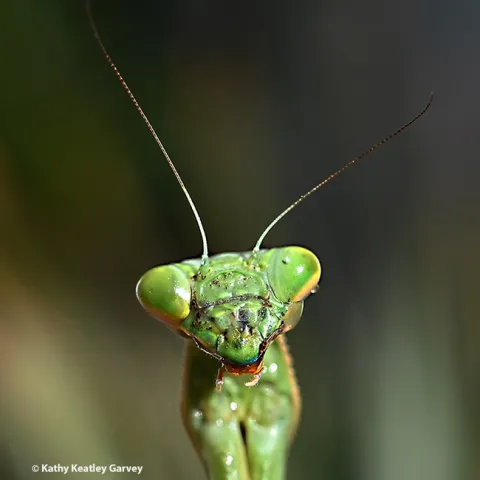
A female praying mantis, Stagmomantis limbata, stares at the photographer. (Photo by Kathy Keatley Garvey)
Bug Squad: Article

The Last Goodbye

November 30, 2023
By Kathy Keatley Garvey
So there she is, a gnarly-looking praying mantis, the last of the season, and on her last legs. Last spiked forelegs? From her perch on a cactus in a Vacaville garden, this Stagmomantis limbata is neither praying nor preying. She is staring.
View Article
Primary Image
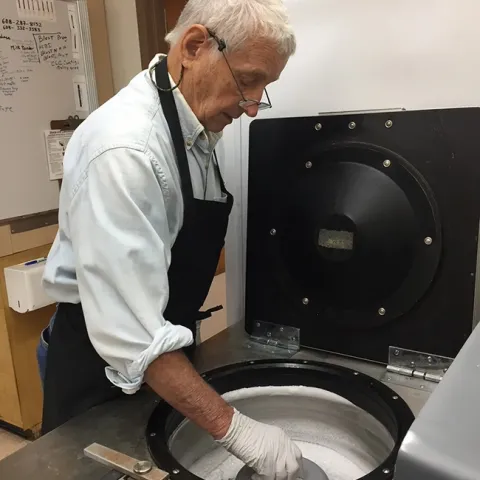
The late emeritus professor Thomas German of the University of Wisconsin at a centrifuge. German, second author of the paper, died Aug. 27, 2023 before the publication in PNAS.
Entomology & Nematology News: Article

Scientists Unlock a Long-Hidden Mystery of a Virus That Attacks Ag Crops

November 30, 2023
By Kathy Keatley Garvey
When UC Davis distinguished professor Diane Ullman of the Department of Entomology and Nematology headed to France on a 2018-19 Fulbright grant to conduct research on tomato spotted wilt virus (TSWV) with her colleagues, she hoped it would lead to important discoveries to help combat plant viruses t...
View Article
Primary Image
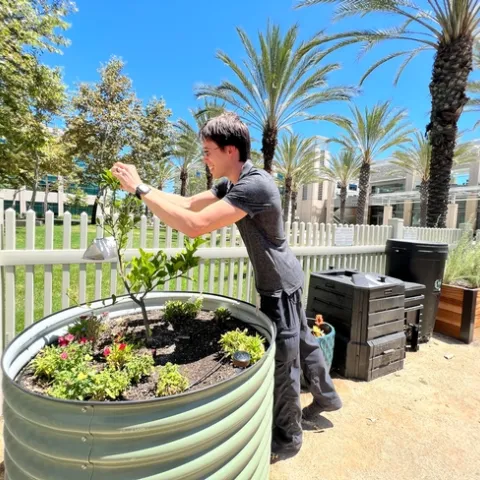
Eric pulls apart the leaves on a small shrub in a large container.
Employee Spotlights: Article

'Ninja Warrior' IPM advisor creates buzz about insects

November 30, 2023
By Pamela S Kan-Rice
When he's not swinging over pools of water or navigating past other obstacles on American Ninja Warrior, Eric Middleton, UC integrated pest management advisor for San Diego, Orange and Los Angeles counties, can often be found examining plants for insect pests.
View Article