A Natural Solution for California's Herds: African Catfish Peptides

California's cattle producers and agricultural communities are all too familiar with the rising challenge of antibiotic resistance, making common bacterial infections harder to treat in livestock. But imagine a future where we could tackle these infections with a natural, powerful alternative. Our research points to just that: antimicrobial peptides (AMPs) found in African catfish.

We're really excited about these peptides because African catfish thrive in pathogen-rich freshwater, naturally producing these robust immune compounds in their skin mucus as a defense. This natural origin makes them highly appealing alternatives to synthetic drugs.

Predicted Safety and Potent Action

One of the most compelling aspects of these AMPs is their predicted safety for mammals. Our initial computer analyses suggest that various catfish AMPs are generally recognized as safe (GRAS). We predict they'll be absorbed in the human intestine without causing liver, brain, or heart toxicity. Furthermore, lab tests on a promising peptide, NACAP-II, confirmed it was non-hemolytic, meaning it didn't damage rabbit red blood cells—a strong indicator of its potential safety for mammalian cells.

Beyond safety, these peptides demonstrate effectiveness against problematic bacteria. One study revealed NACAP-II's strong activity against Extended-Spectrum Beta-Lactamase (ESBL)-producing Escherichia coli—a critical concern for both animal and human health due to its resistance to many common antibiotics. Another peptide, ACAP-IV, also showed antibacterial activity against E. coli and Staphylococcus aureus. We believe these AMPs work by directly disrupting bacterial cell membranes, a mechanism that makes it harder for bacteria to develop resistance compared to how they resist traditional antibiotics.
Primary Image
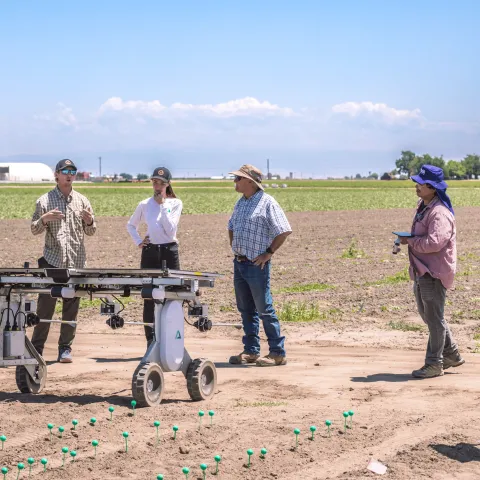
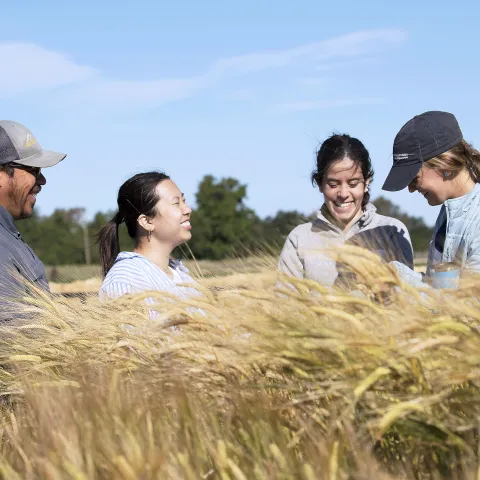
Group of people smiling in a field during the Small Grains and Alfalfa Field Day
Landing Page

UCCE County Offices

UC Cooperative Extension brings the University of California to all 58 counties, offering research, education, and community programs like 4-H, nutrition, gardening, and food preservation to support local needs.
View Landing Page
Primary Image
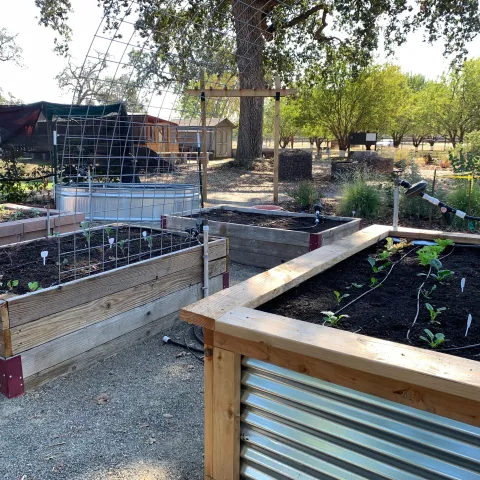
A variety of raised bed styles can be seen at the Master Gardener Demonstration Garden. Laura Kling
The Real Dirt: Article

Fall 2025 Workshop Series about to start!

August 11, 2025
A new season of Master Gardener Workshops is about to start! The series begins Monday, September 8, with an increasingly important and relevant workshop on irrigation and concludes in mid-December with our popular repeat workshop on gardening as we get older. In all, this Fall 2025 Series totals 18 workshops…
View Article
Primary Image
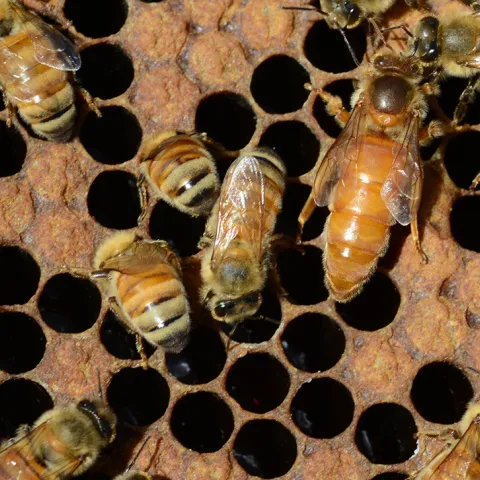
A queen bee laying eggs. (Photo by Kathy Keatley Garvey)

Find the Queen!

August 11, 2025
By Kathy Keatley Garvey
 Question: "Can you find the queen? She's in here with the worker bees and drones. The worker bees are the girls and the drones are the boys." Chlld: "What does the queen look like? Is she wearing a crown?""No, she's wearing a number!"Child:"I see her! There she is! I found her!"Finding the queen…
View Article
Event Primary Image
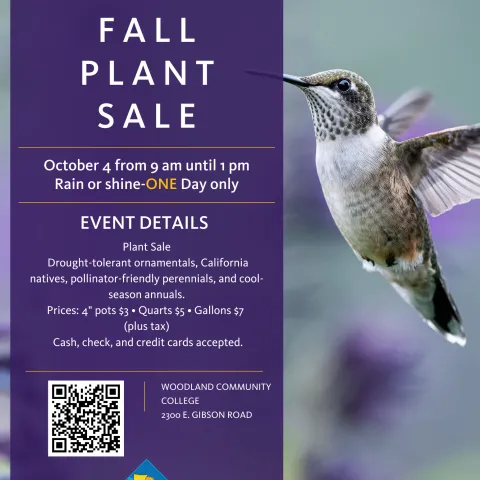
Fall 2025 plant sale
UC Master Gardener Program of Yolo County: Event

Fall 2025 Master Gardener Plant Sale

Event Date
Oct 4, 2025

The Fall 2025 UC Master Gardener Plant Sale will take place on Saturday, October 4, from 9 am - 1pm, rain or shine. This year the sale will be held one day only. The sale will be in the Agriculture Wing at Woodland Community College, 2300 E Gibson Rd, Woodland, California.We will be offering California…
UC Master Gardener Program of Yolo County
View Event
UC Master Gardeners of Orange County: Page

Tool Care - Orange County

Tool Maintenance Keeping your tools clean and sharp will make them last longer and prevent tearing of plant material and spreading diseases through open wounds. Examine them regularly for dirt, discoloration, and rust, and check the blade edge for sharpness, chips, or dents.Sanitize pruning/cutting…
View Page
Event Primary Image
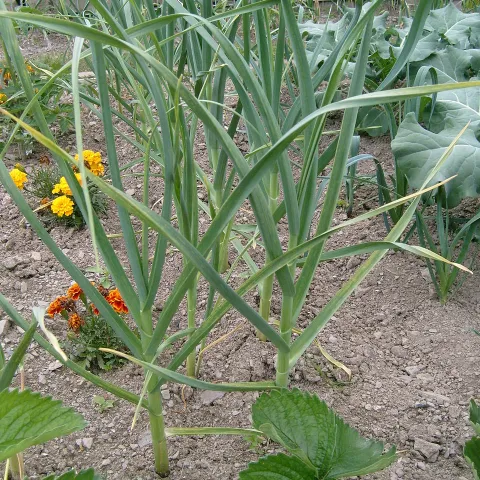
allium growing in garden
UC Master Gardener Program of Yolo County: Event

Kitchen Garden Chat: How Does Your Garlic Grow

Event Date
Sep 6, 2025

Garlic-loving kitchen gardeners are invited to join UC Master Gardener of Yolo, Treva Valentine to learn how to choose the right garlic, seed saving from the summer garden and continue the discussion of fall gardening. Treva will cover the right garlic to grow in our climate, as well as how to save…
UC Master Gardener Program of Yolo County
View Event
Nutrition Policy Institute News: Article

Take-up of the Child Tax Credit by families with low income increased during COVID-19 with program expansion

August 11, 2025
By Jean Aquino, Danielle Lee, Wendi Gosliner
The Child Tax Credit, commonly known as CTC, is a social safety net program that provides financial support to families with low income. During the COVID-19 pandemic, Congress increased the CTC from $2,000 to $3,600 per child per year and added advance payment options to support families monthly throughout…
View Article
Event Primary Image
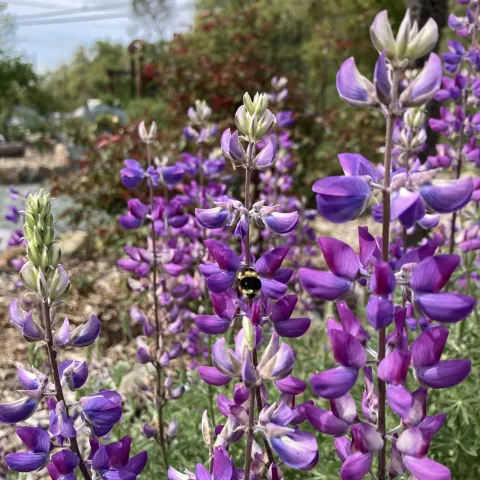
lupin
UC Master Gardeners of Amador County: Event

Gardening with California Native Plants

Event Date
Sep 27, 2025

Do you want to grow native plants, but don't know where to begin? Master Gardener volunteers will take the mystery out of it and can teach you the basics of gardening with California native plants! Topics will include: Who should grow California native plants? (hint, everyone!)What California…
UC Master Gardeners of Amador County
View Event
Primary Image
water through a field
UC Master Gardener Program Statewide Blog: Article

Tangled Ecosystems: Protecting California from Invasive Water Species

August 11, 2025
By Cherie Shook
A few strands of thin, feathery, green plants growing under the dock didn’t catch anyone’s attention last spring. But those strands spread quickly and within months the lake’s calm waters were tangled in mats of the feathery Eurasian watermilfoil, an aggressive aquatic plant that grows quickly and clogs…
View Article