A Natural Solution for California's Herds: African Catfish Peptides

California's cattle producers and agricultural communities are all too familiar with the rising challenge of antibiotic resistance, making common bacterial infections harder to treat in livestock. But imagine a future where we could tackle these infections with a natural, powerful alternative. Our research points to just that: antimicrobial peptides (AMPs) found in African catfish.

We're really excited about these peptides because African catfish thrive in pathogen-rich freshwater, naturally producing these robust immune compounds in their skin mucus as a defense. This natural origin makes them highly appealing alternatives to synthetic drugs.

Predicted Safety and Potent Action

One of the most compelling aspects of these AMPs is their predicted safety for mammals. Our initial computer analyses suggest that various catfish AMPs are generally recognized as safe (GRAS). We predict they'll be absorbed in the human intestine without causing liver, brain, or heart toxicity. Furthermore, lab tests on a promising peptide, NACAP-II, confirmed it was non-hemolytic, meaning it didn't damage rabbit red blood cells—a strong indicator of its potential safety for mammalian cells.

Beyond safety, these peptides demonstrate effectiveness against problematic bacteria. One study revealed NACAP-II's strong activity against Extended-Spectrum Beta-Lactamase (ESBL)-producing Escherichia coli—a critical concern for both animal and human health due to its resistance to many common antibiotics. Another peptide, ACAP-IV, also showed antibacterial activity against E. coli and Staphylococcus aureus. We believe these AMPs work by directly disrupting bacterial cell membranes, a mechanism that makes it harder for bacteria to develop resistance compared to how they resist traditional antibiotics.
Primary Image
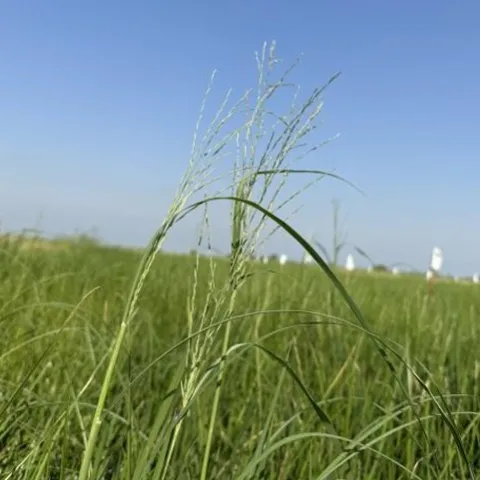
sprangletop
UC Rice Blog: Article

Weed Updates 2025

August 13, 2025
By Whitney B Brim-Deforest
The two most problematic species I have been seeing in grower fields this year are sprangletop and, of course, watergrass. The two require slightly different management strategies, which I will elaborate on below. One of the most important things for planning for the next year, however, is knowing if…
View Article
Primary Image
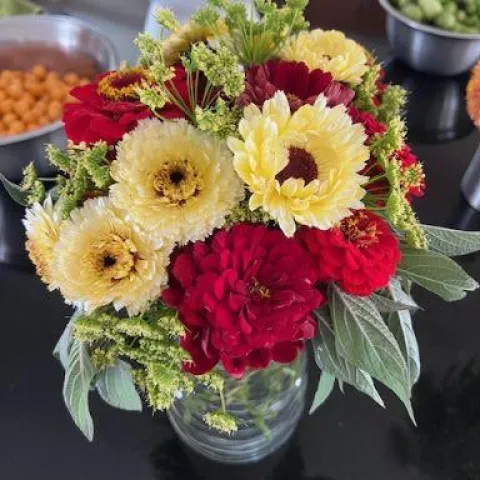
A bouquet of cream and red flowers in a vase.
The Coastal Gardener : Article

Ivory Princess Calendula: An Excellent Choice for Coastal Gardens

August 12, 2025
By Irene McAleenan
 The calendula is a beautiful and hardworking flower in the home garden. It thrives in cool weather, making it a perfect addition to the North Coast. It is in the Asteraceae family and is native to the Mediterranean region. For home gardeners seeking a plant that is easy to grow, looks beautiful in…
View Article
Event Primary Image
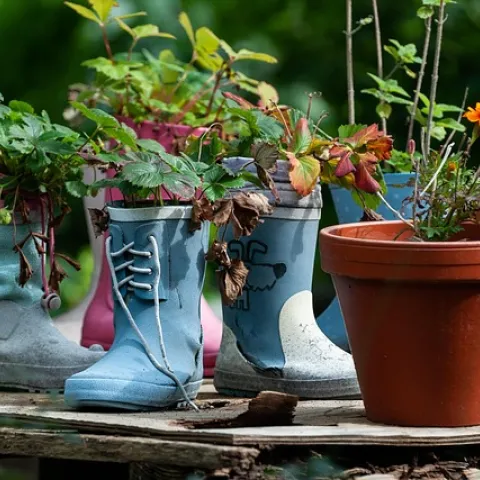
boots with plants/pixabay
UC Master Gardeners of Ventura County: Event

Art in the Garden: using found objects to enhance your landscape/Ventura

Event Date
Nov 18, 2025

Art in the Garden: using found objects to enhance your landscapeArt pieces have long been used in gardens. Join UC Master Gardeners to explore what could constitute “art” in a garden as we look at numerous ways to enhance your gardening creativity.  Using everyday objects, we will see how they can be…
UC Master Gardeners of Ventura County
View Event
Primary Image
Turrets of digger bees on sand dunes of Bodega Bay. (Photo by Kathy Keatley Garvey)
Bug Squad: Article

UC Davis: All A'Buzz With Bee Nests and Art

August 12, 2025
By Kathy Keatley Garvey
 Video caption:  This bumble bee mimic, Anthophora bomboides stanfordiana, is a digger bee building her nest in a sand dune on Bodega Head, Sonoma County. (Video by Kathy Keatley Garvey)You won't want to miss this!Create art and learn about native bees and their nests at the same time!UC Davis…
View Article
Primary Image
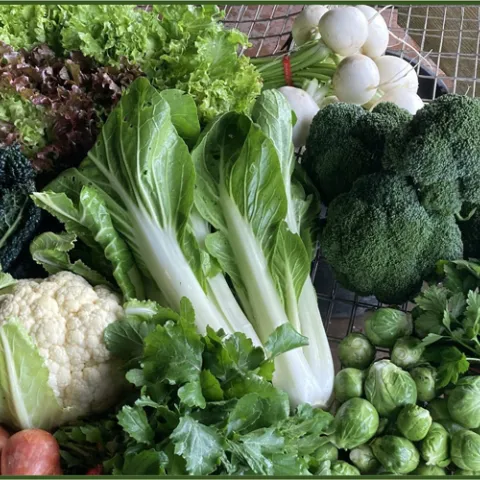
Assorted vegetables harvested in January in Humboldt Couunty.
The Coastal Gardener : Article

Summer's the Time for Planting Winter Vegetables

August 12, 2025
By Lisa Nedlan
While we’re in the middle of tending to the summer garden and harvesting green beans and cucumbers, it’s hard to accept that winter is coming… But now really is the time to prepare the ground and begin planting the veggies that you’ll be harvesting during the short days from December through February. …
View Article
UC Master Gardeners of Butte County: Event

Spring Garden Talks

Event Date
Apr 11, 2026

In partnership with CARD, The UC Master Gardeners of Butte County are offering a morning of spring-related garden talks. Session One, 8:45–9:30 am Planting Vegetables for a Summer GardenWant some fresh vegetables from your garden this summer? We will be talking about warm season seeds and…
UC Master Gardeners of Butte County
View Event
UC Master Gardener Program of Riverside County: Document

2025 County Program Reorganization

The Reorganization Committee is excited to share and move forward with implementation of the new UC Master Gardeners of Riverside County structure. During this video, we will: - Walk you through the new organizational structure - Highlight the program’s goals and added value - Introduce new…
View Document
Primary Image
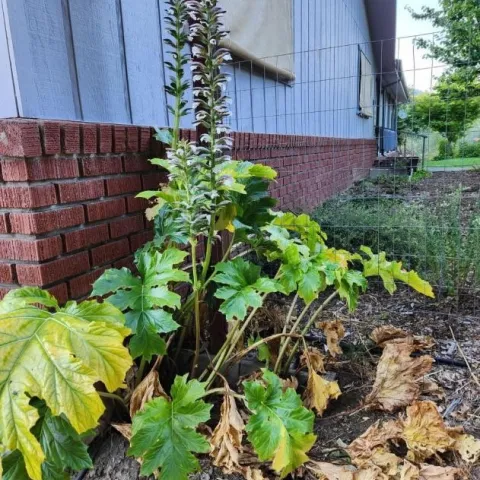
Acanthus plant close to a building.
The Coastal Gardener : Article

Tasks for the Fall in Your Firewise Garden

August 12, 2025
By Lisa Nedlan
As summer wanes, you may be heaving a sigh of relief that you and your community have made it unscathed through another summer. You may be feeling good in the knowledge that you have been refining firewise aspects around your house for several years. And those are things to celebrate, but continuing…
View Article
UC Master Gardeners of Butte County: Page

Living Lab Training Program

 Living Lab Leadership TrainingUC Master Gardeners of Butte County Living Lab Team will present workshops for School Garden Educators and Administrators at the Chapman Park Teaching Garden, 775 E 16th Street, Chico.Check back later for additional information.
View Page