A Natural Solution for California's Herds: African Catfish Peptides

California's cattle producers and agricultural communities are all too familiar with the rising challenge of antibiotic resistance, making common bacterial infections harder to treat in livestock. But imagine a future where we could tackle these infections with a natural, powerful alternative. Our research points to just that: antimicrobial peptides (AMPs) found in African catfish.

We're really excited about these peptides because African catfish thrive in pathogen-rich freshwater, naturally producing these robust immune compounds in their skin mucus as a defense. This natural origin makes them highly appealing alternatives to synthetic drugs.

Predicted Safety and Potent Action

One of the most compelling aspects of these AMPs is their predicted safety for mammals. Our initial computer analyses suggest that various catfish AMPs are generally recognized as safe (GRAS). We predict they'll be absorbed in the human intestine without causing liver, brain, or heart toxicity. Furthermore, lab tests on a promising peptide, NACAP-II, confirmed it was non-hemolytic, meaning it didn't damage rabbit red blood cells—a strong indicator of its potential safety for mammalian cells.

Beyond safety, these peptides demonstrate effectiveness against problematic bacteria. One study revealed NACAP-II's strong activity against Extended-Spectrum Beta-Lactamase (ESBL)-producing Escherichia coli—a critical concern for both animal and human health due to its resistance to many common antibiotics. Another peptide, ACAP-IV, also showed antibacterial activity against E. coli and Staphylococcus aureus. We believe these AMPs work by directly disrupting bacterial cell membranes, a mechanism that makes it harder for bacteria to develop resistance compared to how they resist traditional antibiotics.

Event Primary Image
Dinner Auction Flyer
Merced 4-H Youth Development: Event

Dinner Auction 2025

Event Date
Nov 1, 2025

Join Merced County 4-H for our annual Dinner Auction! Hosted by the Merced Elks, this event will take place on November 1st from 5:30 to 9:30 p.m. at the Merced Elks Lodge. There will be a Social Hour, Dinner, and Live Auction. The Virtual Auction will run from October 27th to November 1st. Tickets: $60…
Merced 4-H Youth Development
View Event
UCCE Humboldt - Del Norte Counties: Page

Safe Preserving Resources

Know where to find helpful and safe advice.There are many books and websites covering food preserving, but unfortunately, not all of them provide sound advice. Some sources offer processes or recipes that are downright dangerous. So, where do you turn for research-based, reliable information? Or could you…
View Page
Primary Image
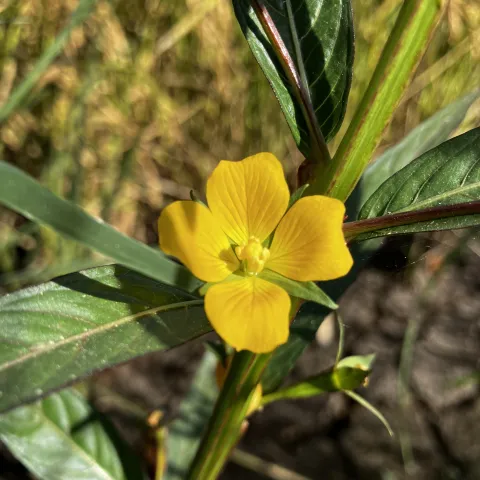
L decurrens
UC Rice Blog: Article

Keep an eye out for Winged Water Primrose (Ludwigia decurrens)

August 11, 2025
By Sarah Marsh Janish, Vanessa Varela, Whitney B Brim-Deforest
Floating mats of dark green leaves and bright yellow flowers is a common sight in most irrigation canals and waterways around our rice fields. For the most part, these mats are comprised of creeping waterprimrose (Ludwigia peploides) and Uruguay waterprimrose (Ludwigia hexapetala), which are prolific…
View Article
Primary Image
cover cropped citrus
Topics in Subtropics: Article

Soil Conservation Practices and Cover Cropping

August 11, 2025
By Ben A Faber
Reducing Tillage On-Farm and Cover Cropping in the US and California and Some LimitationsA recent paper by Jeff Mitchell and others has highlighted the work done on reducing soil tillage which accelerates soil organic matter decline, resulting in a variety of ills from ground water contamination, poor soil…
View Article
Primary Image
false chinch bug adult
Topics in Subtropics: Article

False Chinch Bugs Show Up when Hills Dry Up

August 11, 2025
By Ben A Faber
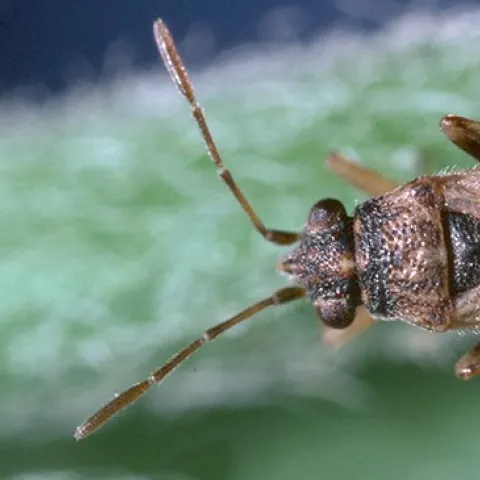
False Chinch Bug Shows Up as Hills Dry UpThe false chinch bug (FCB), Nysius raphanus (Hemiptera: Lygaeidae), is a pest of many plants. FCB is a generalist and has been found to be a problem in many cropping systems such as soybeans, quinoa, tobacco, cotton, broccoli and other Brassicaceae plants. FCB adults …
View Article
Event Primary Image
catch rain water
UC Master Gardeners • Napa County: Event

Catch The Rain, Slow It, Spread It, Sink It In - Yountville

Event Date
Oct 4, 2025

Master Gardeners will share how the "small water cycle" can support climate restoration in our home gardens, showing how garden practices can positively impact the local climate. We will explore many strategies to catch rain, helping us absorb, restore, and adapt to water’s natural rhythms.Register prior to…
UC Master Gardeners • Napa County
View Event
Primary Image
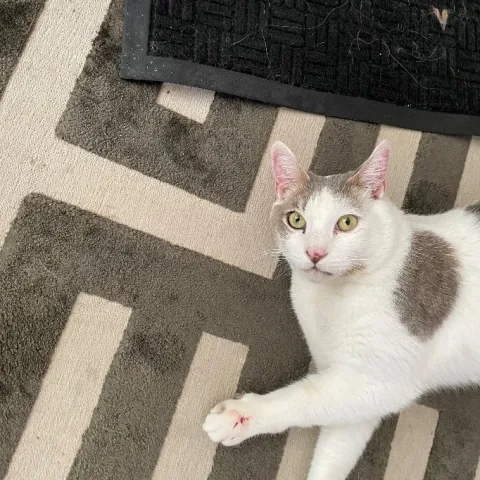
gray and white cat on a rug with a spot of blood on his paw
Under the Solano Sun: Article

Nature’s Velcro®

August 11, 2025
By Jennifer M Baumbach
Blog by Brenda Altman Snugs came into the house one afternoon with a boo-boo on his left paw. There was a speck of blood, but it turned out to be nothing. Since he was already in my hands, I started to groom him and found these small seeds attached to his body! Snugs, the gardener, is spreading seeds to…
View Article
Primary Image
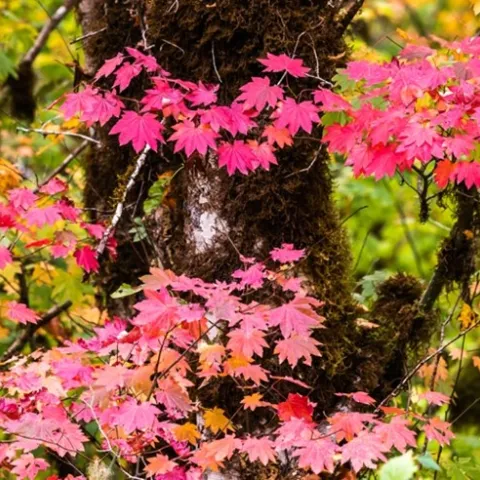
Acer circinatum
UC Marin Master Gardeners: Article

Vine maple

August 11, 2025
Vine mapleAcer circinatum Vine maple is a California native deciduous tree or shrub that typically grows 10 to 20 feet tall. In sunny settings it grows bushy and upright, but in shadier locales it spreads and sprawls closer to the ground. Vine maples grow moderately slowly. They prefer moist, shady…
View Article