A Natural Solution for California's Herds: African Catfish Peptides

California's cattle producers and agricultural communities are all too familiar with the rising challenge of antibiotic resistance, making common bacterial infections harder to treat in livestock. But imagine a future where we could tackle these infections with a natural, powerful alternative. Our research points to just that: antimicrobial peptides (AMPs) found in African catfish.

We're really excited about these peptides because African catfish thrive in pathogen-rich freshwater, naturally producing these robust immune compounds in their skin mucus as a defense. This natural origin makes them highly appealing alternatives to synthetic drugs.

Predicted Safety and Potent Action

One of the most compelling aspects of these AMPs is their predicted safety for mammals. Our initial computer analyses suggest that various catfish AMPs are generally recognized as safe (GRAS). We predict they'll be absorbed in the human intestine without causing liver, brain, or heart toxicity. Furthermore, lab tests on a promising peptide, NACAP-II, confirmed it was non-hemolytic, meaning it didn't damage rabbit red blood cells—a strong indicator of its potential safety for mammalian cells.

Beyond safety, these peptides demonstrate effectiveness against problematic bacteria. One study revealed NACAP-II's strong activity against Extended-Spectrum Beta-Lactamase (ESBL)-producing Escherichia coli—a critical concern for both animal and human health due to its resistance to many common antibiotics. Another peptide, ACAP-IV, also showed antibacterial activity against E. coli and Staphylococcus aureus. We believe these AMPs work by directly disrupting bacterial cell membranes, a mechanism that makes it harder for bacteria to develop resistance compared to how they resist traditional antibiotics.
Primary Image
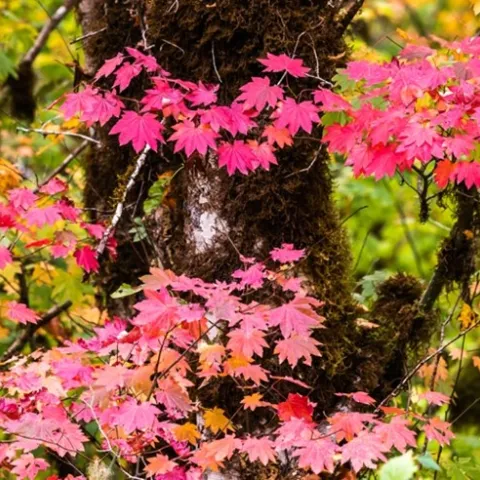
Acer circinatum
UC Marin Master Gardeners: Article

Vine maple

August 11, 2025
Vine mapleAcer circinatum Vine maple is a California native deciduous tree or shrub that typically grows 10 to 20 feet tall. In sunny settings it grows bushy and upright, but in shadier locales it spreads and sprawls closer to the ground. Vine maples grow moderately slowly. They prefer moist, shady…
View Article
UC Master Gardeners of Fresno County: Page

Ask A Question

Have a gardening question? If you have a question about home gardening, submit a question to our   Master Gardener helpline.Send us a brief description of your problem and a photo if you can. When submitting photos of an issue, please also include a picture of the overall plant.  We…
View Page
Primary Image
fruit tree pruning
UC Marin Master Gardeners: Article

Summer pruning for fruit trees

August 11, 2025
By Bonnie A Nielsen
 If you’ve ever wrestled with an overgrown fruit tree, you know the struggle—branches reaching for the sky, fruit hiding in a tangled mess, and those pesky suckers popping up everywhere. But don’t worry, summer is the perfect time to get out there with your pruners and give your trees a little mid…
View Article
UC Master Gardeners of Orange County: Page

California Native Plants - Orange County

What is a Native Plant? Native or indigenous plants are species that have evolved naturally in a specific region, forming essential relationships with local wildlife and ecosystems. In California, native plants existed before European settlers introduced foreign species. These natives are well adapted…
View Page
Event Primary Image
9-9-25 sweet & heat
UC Master Food Preserver Program of Orange County: Event

Public Class: A Little Sweet, A Little Heat

Event Date
Sep 9, 2025

It’s Fall! Time for some sweet and tangy recipes from the summer garden. And, we’re going to add autumn apples to the mix.  Has spiciness been an issue? We’re going to address how to adjust the spice levels of your recipes.  We’ll be making two recipes found in the Ball Complete Book of Home…
UC Master Food Preserver Program of Orange County
View Event
UC Master Gardeners of Butte County: Page

Seasonal Garden Series

Summer Garden TalksIn partnership with CARD, The Living Labs group of the UC Master Gardeners of Butte County are offering a morning of summer-related garden talks. Talks are free, but registration is required. 15 people per topic.Saturday, June 6, 20268:45–10:30am
Chapman Park Teaching Garden
775 E 16th…
View Page
UC Master Food Preserver Program of Orange County: Event

Testing...

Event Date
Aug 8, 2025 - Aug 9, 2025

UC Master Food Preserver Program of Orange County
View Event
Primary Image
Honey bee pollinating strawberry. (Photo by Kathy Keatley Garvey)

Introducing Bees to Children

August 8, 2025
By Kathy Keatley Garvey
 The UC Davis-based California Master Beekeeper Program (CAMBP) staffed three tables at the Vacaville Museum Guild's annual children's party to introduce "the wonderful world of bees" to children ages 3 to 9.CAMBP members displayed a bee observation hive and encouraged them to "find the queen'; answered…
View Article
Primary Image
Irrigator watering greenhouse plants
SoCal Urban Food Production Blog: Article

Share Your Insights, Receive a Free Water & Nutrient Efficiency Checkup!

August 8, 2025
By Amrita Mukherjee, Grant E Johnson, Esther N Lofton
UC Davis and UCANR, with support from the CDFA’s Water-Energy Technology Assistance (WETA) program, are inviting California protected agriculture growers—whether hydroponic, using drip irrigation, liquid feed fertilizers, or recycling water—to take a short survey on water and nutrient management. The 15–20…
View Article