A Natural Solution for California's Herds: African Catfish Peptides

California's cattle producers and agricultural communities are all too familiar with the rising challenge of antibiotic resistance, making common bacterial infections harder to treat in livestock. But imagine a future where we could tackle these infections with a natural, powerful alternative. Our research points to just that: antimicrobial peptides (AMPs) found in African catfish.

We're really excited about these peptides because African catfish thrive in pathogen-rich freshwater, naturally producing these robust immune compounds in their skin mucus as a defense. This natural origin makes them highly appealing alternatives to synthetic drugs.

Predicted Safety and Potent Action

One of the most compelling aspects of these AMPs is their predicted safety for mammals. Our initial computer analyses suggest that various catfish AMPs are generally recognized as safe (GRAS). We predict they'll be absorbed in the human intestine without causing liver, brain, or heart toxicity. Furthermore, lab tests on a promising peptide, NACAP-II, confirmed it was non-hemolytic, meaning it didn't damage rabbit red blood cells—a strong indicator of its potential safety for mammalian cells.

Beyond safety, these peptides demonstrate effectiveness against problematic bacteria. One study revealed NACAP-II's strong activity against Extended-Spectrum Beta-Lactamase (ESBL)-producing Escherichia coli—a critical concern for both animal and human health due to its resistance to many common antibiotics. Another peptide, ACAP-IV, also showed antibacterial activity against E. coli and Staphylococcus aureus. We believe these AMPs work by directly disrupting bacterial cell membranes, a mechanism that makes it harder for bacteria to develop resistance compared to how they resist traditional antibiotics.


Thriving Forward: Article

Understanding Mindfulness and Its Relation to Wellness

August 12, 2025
By Matthew R Rodriguez
Introduction Life can be stressful. From picking up the kids from school to paying the bills, life can sometimes feel like waves of to-dos that keep coming our way. And for those who volunteer in our 4-H youth development program, there can be additional sources of stress, such as helping prepare youth…
View Article
UCCE in Santa Barbara County: Page

Fire Information Santa Barbara

Santa Barbara County LinksSanta Barbara County Fire Department Fire Prevention Education, Wildland Hazard and Building Codes, Fire Safety Council, and more local, state, county, and federal informational linksSanta Barbara County Fire Safe Council - promoting wildfire safety across the county…
View Page
UC Rice Blog: Article

2025’s cool July nights

August 12, 2025
By Bruce A Linquist
Three to four weeks ago I sent out a blog on the potential for blanking due to cool nighttime temperatures during booting. Low nighttime temperatures are a concern because blanking (floret sterility) can occur during meiosis (pollen formation) when they drop below 58 oF. Blanking can cause reduced yields…
View Article
Event Primary Image
Hertiage Rose Garden sign
UC Master Gardeners of Amador County: Event

Open Garden and Plant Sale at The Heritage Rose Garden (Jackson)

Event Date
Oct 18, 2025

Visit the UC Master Gardener Heritage Rose Garden during the 4th Annual Community Harvest Party, hosted by the Mother Lode Land Trust, from noon to 6pm on Saturday October 18th.Tour the roses and California native plantsLearn about what Master Gardeners volunteers did to earn the National Wildlife Federation…
UC Master Gardeners of Amador County
View Event
Primary Image
view of the earth
Under the Solano Sun: Article

Gardening Challenges

August 12, 2025
By Jennifer M Baumbach
Blog Article by Lorenza Gibson Seasons come and go. As gardeners, we’re constantly racing against time, always at the mercy of changing conditions. With climate change*, the seasons we once thought we could rely on no longer follow predictable patterns. Winters may stretch longer or feel unexpectedly…
View Article
Primary Image
Girl smiles and holds up some leafy greens at a market
Landing Page

Statewide Programs & Institutes

UC Agriculture and Natural Resources (UC ANR) tackles today’s challenges through research, outreach, and 18 statewide programs, advancing priorities from food systems and ecosystems to climate change and community well-being.
View Landing Page
Primary Image
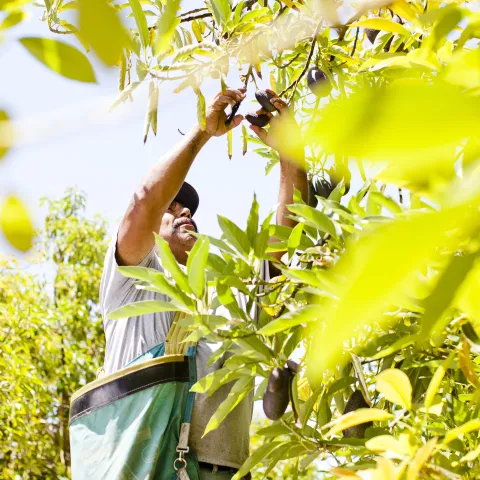
Man harvests avocado by hand at South Coast Research and Extension Center
Landing Page

Locations & Centers

UC Agriculture and Natural Resources (UC ANR) connects the University of California with communities statewide through Cooperative Extension offices and nine Research and Extension Centers.
View Landing Page
Primary Image
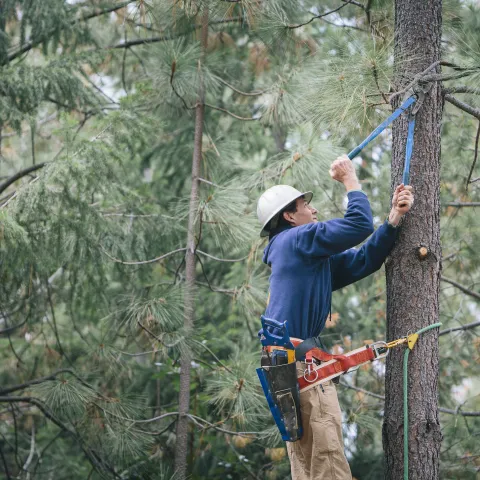
Rob York works in the trees at UC Blodgett Forest Research Station
Landing Page

Topics

UC Agriculture and Natural Resources (UC ANR) supports Californians with research and programs in agriculture, pest and water management, wildfire resilience, healthy living, and youth development like 4-H.
View Landing Page
Primary Image
Two researchers hold quadrat squares for an ecological study in a field at Sierra Foothill Research and Extension Center
Landing Page

Research and Extension Centers

UC’s ten Research and Extension Centers span 13,000 acres across California, providing land, expertise, and facilities for cutting-edge agricultural and natural resource research while engaging local communities.
View Landing Page
Primary Image
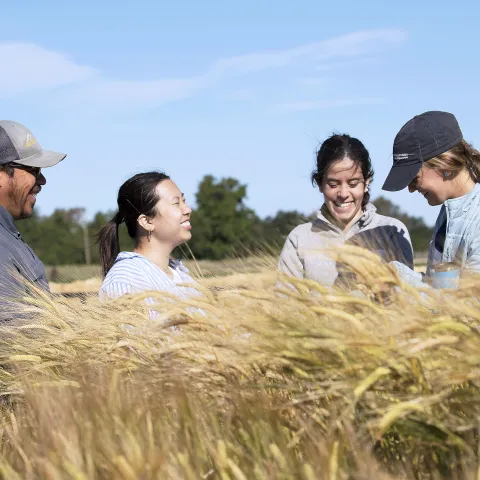
Group of people smiling in a field during the Small Grains and Alfalfa Field Day
Landing Page

UCCE County Offices

UC Cooperative Extension brings the University of California to all 58 counties, offering research, education, and community programs like 4-H, nutrition, gardening, and food preservation to support local needs.
View Landing Page