A Natural Solution for California's Herds: African Catfish Peptides

California's cattle producers and agricultural communities are all too familiar with the rising challenge of antibiotic resistance, making common bacterial infections harder to treat in livestock. But imagine a future where we could tackle these infections with a natural, powerful alternative. Our research points to just that: antimicrobial peptides (AMPs) found in African catfish.

We're really excited about these peptides because African catfish thrive in pathogen-rich freshwater, naturally producing these robust immune compounds in their skin mucus as a defense. This natural origin makes them highly appealing alternatives to synthetic drugs.

Predicted Safety and Potent Action

One of the most compelling aspects of these AMPs is their predicted safety for mammals. Our initial computer analyses suggest that various catfish AMPs are generally recognized as safe (GRAS). We predict they'll be absorbed in the human intestine without causing liver, brain, or heart toxicity. Furthermore, lab tests on a promising peptide, NACAP-II, confirmed it was non-hemolytic, meaning it didn't damage rabbit red blood cells—a strong indicator of its potential safety for mammalian cells.

Beyond safety, these peptides demonstrate effectiveness against problematic bacteria. One study revealed NACAP-II's strong activity against Extended-Spectrum Beta-Lactamase (ESBL)-producing Escherichia coli—a critical concern for both animal and human health due to its resistance to many common antibiotics. Another peptide, ACAP-IV, also showed antibacterial activity against E. coli and Staphylococcus aureus. We believe these AMPs work by directly disrupting bacterial cell membranes, a mechanism that makes it harder for bacteria to develop resistance compared to how they resist traditional antibiotics.

Primary Image
Blue-purple salvia
Fresno Gardening Green: Article

March plant of the month: Rosette- and clump-forming salvias

March 13, 2025
By Jeannette Warnert
By Susan Rosenthal Having covered the first two major salvia groups, the small leaf (woody stemmed) and deciduous perennial salvias, this month's plants of the month are in the third and final group - the rosette- and clump-forming salvias.Rosette-forming species include S. argenta, S lyrata, S…
View Article
Primary Image
California poppies
Fresno Gardening Green: Article

This week in the garden: March 14 - 20

March 13, 2025
By Jeannette Warnert
Prepared by Terry Lewis Check out the nursery, online websites and garden books for new plant varieties that use less water. In a drought year, consider native plants suitable for our area.TasksRemove thatch and aerate warm-season lawns (Bermuda, zoysia, St. Augustine) to allow better water penetration…
View Article
Primary Image
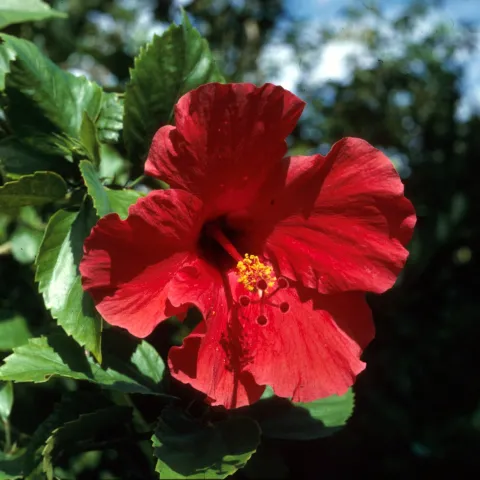
Red hibiscus flower
Fresno Gardening Green: Article

Help prevent a pink hibiscus mealybug infestation in Fresno County

March 13, 2025
By Jeannette Warnert
By Jeannette Warnert While tending your landscape and garden this spring, keep an eye out for pink hibiscus mealybug (PHM), an invasive insect that has already been found in parts of Southern California. PHM could make its way to the Central Valley and cause significant damage to crops, landscape plants…
View Article
UCCE Siskiyou: Event

2025 Fashion Review & Home Economics Day

Event Date
Apr 12, 2025

 Fashion Revue is scheduled for 4/12/2025 at the Gazelle Grange. Arrive by 2:00. The Judging will begin at 2:30. Fashion Revue Modeling in the Cafeteria starts at 4:30. Awards to Follow. 4-H members are eligible to enter the event. Please note that a few of the Fashion Revue categories are restricted to…
UCCE Siskiyou
View Event
Event Primary Image
Bountiful Berries Webinar
UC Master Gardener Program of Contra Costa County: Event

Bountiful Berries Webinar

Event Date
Mar 18, 2025

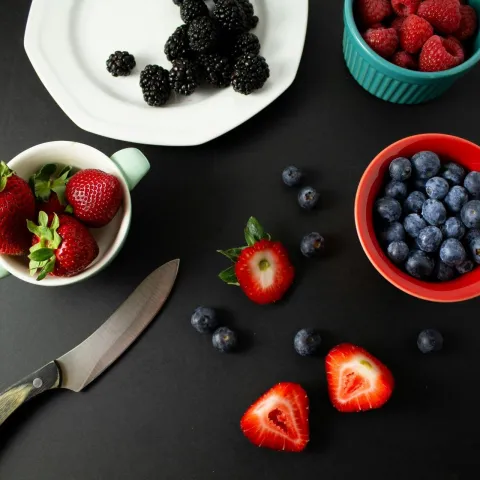
Bountiful BerriesBerries are a rewarding garden plant. Berry plants are perennial, producing fruit year after year making them a wise investment. This Master Gardener sponsored presentation will cover the planting, care and maintenance of 4 of the most common garden berries, blueberries, strawberries,…
UC Master Gardener Program of Contra Costa County
View Event
Primary Image
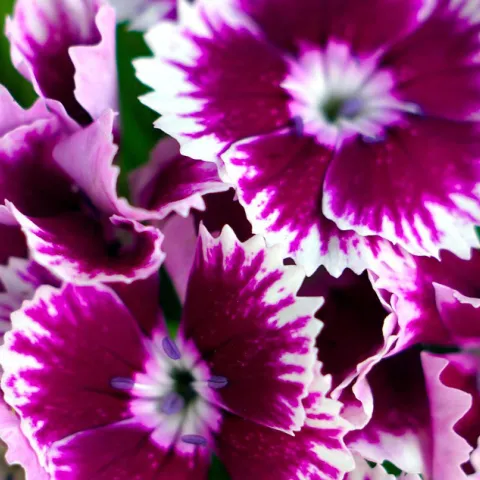
Sweet William
The Real Dirt: Article

Dianthus, the “Divine Flower”

March 12, 2025
By Jeanette Alosi
References to the plant genus Dianthus go back as far as the Greek botanist Theophrastus.  He named these plants from the Caryophyllaceae family “divine flower” (dios = divine plus anthos = flower). 
View Article
Primary Image
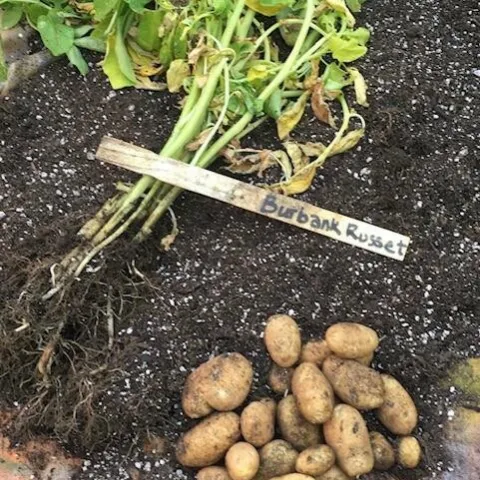
Plant potatoes in March in Sonoma County
UC Master Gardener Program of Sonoma County: Article

What experts say to plant and do in your Sonoma County garden in March

March 12, 2025
By Cynthia Bailey
The Press Democrat, March 01, 2025Plant potatoes in March using easy fabric pots that can be moved around and take up little space. We’ll be “springing forward” with daylight savings time March 9 and gaining more hours of sun in our gardens.After weeks of cleansing rains, perennials are brightly…
View Article
Primary Image
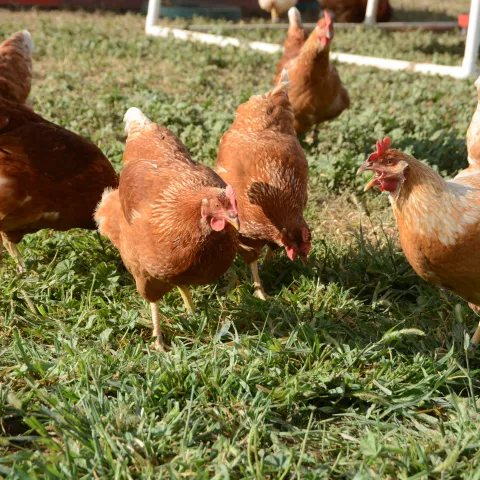
Brown chickens peck at bugs in the grass at UC Davis School of Veterinary Medicine.
Food Blog: Article

Bird flu's impact on egg and milk markets varies

March 12, 2025
By Ria DeBiase
 Egg prices soar while dairy prices remain stable as H5N1 spreads through CaliforniaConsumers have faced reduced egg supplies and high egg prices. A recent article by University of California, Davis agricultural economists explore the reasons for reduced egg supplies and high egg prices and assess what…
View Article