A Natural Solution for California's Herds: African Catfish Peptides

California's cattle producers and agricultural communities are all too familiar with the rising challenge of antibiotic resistance, making common bacterial infections harder to treat in livestock. But imagine a future where we could tackle these infections with a natural, powerful alternative. Our research points to just that: antimicrobial peptides (AMPs) found in African catfish.

We're really excited about these peptides because African catfish thrive in pathogen-rich freshwater, naturally producing these robust immune compounds in their skin mucus as a defense. This natural origin makes them highly appealing alternatives to synthetic drugs.

Predicted Safety and Potent Action

One of the most compelling aspects of these AMPs is their predicted safety for mammals. Our initial computer analyses suggest that various catfish AMPs are generally recognized as safe (GRAS). We predict they'll be absorbed in the human intestine without causing liver, brain, or heart toxicity. Furthermore, lab tests on a promising peptide, NACAP-II, confirmed it was non-hemolytic, meaning it didn't damage rabbit red blood cells—a strong indicator of its potential safety for mammalian cells.

Beyond safety, these peptides demonstrate effectiveness against problematic bacteria. One study revealed NACAP-II's strong activity against Extended-Spectrum Beta-Lactamase (ESBL)-producing Escherichia coli—a critical concern for both animal and human health due to its resistance to many common antibiotics. Another peptide, ACAP-IV, also showed antibacterial activity against E. coli and Staphylococcus aureus. We believe these AMPs work by directly disrupting bacterial cell membranes, a mechanism that makes it harder for bacteria to develop resistance compared to how they resist traditional antibiotics.

Primary Image
hornworm
UC Marin Master Gardeners: Document

Tomato Hornworm

Often the largest caterpillars seen in vegetable gardens – up to four inches long. Horn or thorn at rear end. Adult moths have wingspan up to five inches.CategoryInsectSigns/SymptomsHornworms feed on blossoms, leaves, and fruit. At high populations they can extensively defoliate plants and scar the fruit…
View Document
Primary Image
whitefly
UC Marin Master Gardeners: Document

Whitefly

Piercing, needle-like mouth parts suck sap from food-conducting tissues in plant stems and leaves. Like aphids, whiteflies excrete sugary liquid called honeydew, so leaves may be sticky or covered with black sooty mold. The honeydew attracts ants, which interferes with the activities of natural enemies that…
View Document
Primary Image
yellowjacket
UC Marin Master Gardeners: Document

Yellowjackets

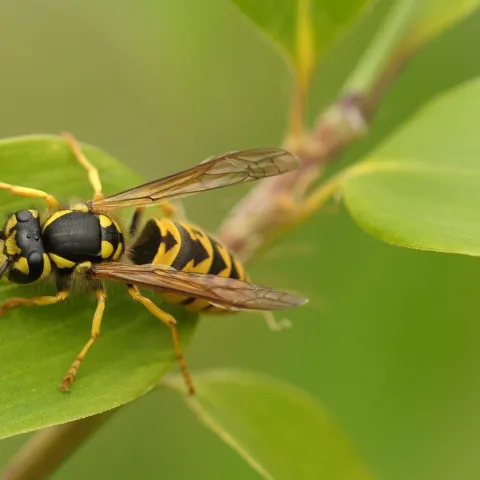
Yellowjackets are one-half to one inch long with jagged bright yellow and black stripes. Their narrow “waists” are barely visible. Unlike other common wasps, yellowjackets scavenge on food. They nest in holes in the ground, inside wall cavities, or in hanging nests totally enclosed in gray paper with a…
View Document
Primary Image
Flower
Fresno Gardening Green: Article

Keep potted plants beautiful and healthy by repotting every year

March 14, 2025
By Jeannette Warnert
By Elinor Teague The best time to repot container plants is in early spring, just as new growth begins. Instructions on repotting are basically the same for houseplants and for outdoor potted plants.Because the soil in container pot subsides or settles over time, many people mistakenly add more soil on…
View Article
Community Economic Development: Page

Food Systems, Food Waste & Business Support

What is the State of Food Systems in California?California's food systems are a complex network of agriculture, distribution, and consumption that plays a crucial role in feeding not just the state but the entire nation. As a leading agricultural producer, California grows nearly half of the country’s fruits…
View Page
Primary Image
Deer
UC Marin Master Gardeners: Document

Deer

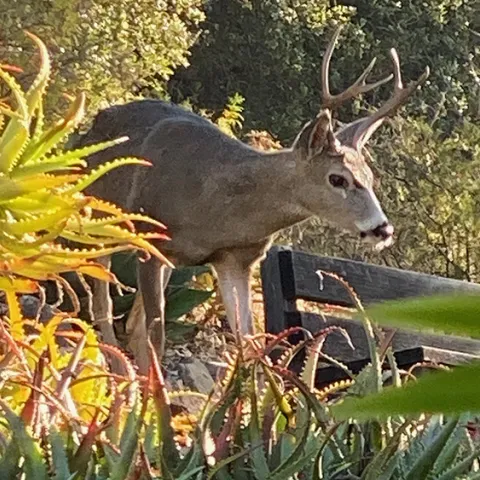
Two most common are mule deer and black-tailed deer. Both eat shrubs, vines, fruit and nut trees, garden vegetables, grasses, and small flowering plants. Deer dislike some plants, especially when other more palatable plants are available.Signs/SymptomsHoof prints two to three inches long, split in the middle…
View Document
Primary Image
Deer
UC Marin Master Gardeners: Document

Deer

Two most common are mule deer and black-tailed deer. Both eat shrubs, vines, fruit and nut trees, garden vegetables, grasses, and small flowering plants. Deer dislike some plants, especially when other more palatable plants are available.Signs/SymptomsHoof prints two to three inches long, split in the middle…
View Document
Primary Image
Gopher
UC Marin Master Gardeners: Document

Gophers

 Small burrowing rodents that feed on roots of plants. A single gopher can inflict considerable damage in a short time. They live up to three years and eat a wide variety of vegetation, usually what they encounter while digging. Sometimes feed above ground, venturing only a body length or so from their…
View Document
Primary Image
Gopher
UC Marin Master Gardeners: Document

Gophers

 Small burrowing rodents that feed on roots of plants. A single gopher can inflict considerable damage in a short time. They live up to three years and eat a wide variety of vegetation, usually what they encounter while digging. Sometimes feed above ground, venturing only a body length or so from their…
View Document
Primary Image
raccoons
UC Marin Master Gardeners: Document

Raccoons

 Raccoons are smart, dexterous mammals that can become very aggressive when cornered. When searching for den or food, they can be extremely destructive to homes and gardens. Raccoons communicate using a variety of sounds including purring, growling, hissing, and whistling. They eat plants and animals,…
View Document