A Natural Solution for California's Herds: African Catfish Peptides

California's cattle producers and agricultural communities are all too familiar with the rising challenge of antibiotic resistance, making common bacterial infections harder to treat in livestock. But imagine a future where we could tackle these infections with a natural, powerful alternative. Our research points to just that: antimicrobial peptides (AMPs) found in African catfish.

We're really excited about these peptides because African catfish thrive in pathogen-rich freshwater, naturally producing these robust immune compounds in their skin mucus as a defense. This natural origin makes them highly appealing alternatives to synthetic drugs.

Predicted Safety and Potent Action

One of the most compelling aspects of these AMPs is their predicted safety for mammals. Our initial computer analyses suggest that various catfish AMPs are generally recognized as safe (GRAS). We predict they'll be absorbed in the human intestine without causing liver, brain, or heart toxicity. Furthermore, lab tests on a promising peptide, NACAP-II, confirmed it was non-hemolytic, meaning it didn't damage rabbit red blood cells—a strong indicator of its potential safety for mammalian cells.

Beyond safety, these peptides demonstrate effectiveness against problematic bacteria. One study revealed NACAP-II's strong activity against Extended-Spectrum Beta-Lactamase (ESBL)-producing Escherichia coli—a critical concern for both animal and human health due to its resistance to many common antibiotics. Another peptide, ACAP-IV, also showed antibacterial activity against E. coli and Staphylococcus aureus. We believe these AMPs work by directly disrupting bacterial cell membranes, a mechanism that makes it harder for bacteria to develop resistance compared to how they resist traditional antibiotics.
Primary Image
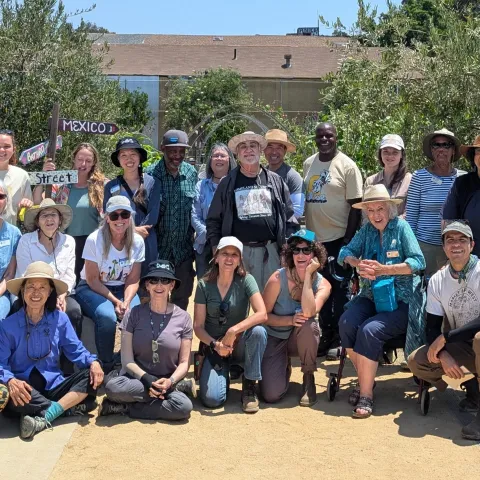
Master gardener volunteers pose for a group photo after an educational volunteer project
UC Master Gardener Program of Alameda County: Page

Become a UC Master Gardener Volunteer

Join a passionate group of nearly 200 volunteers across Alameda County who help the public learn safe, sustainable, and science-backed ways to grow your own food and manage the urban landscape.
View Page
Primary Image
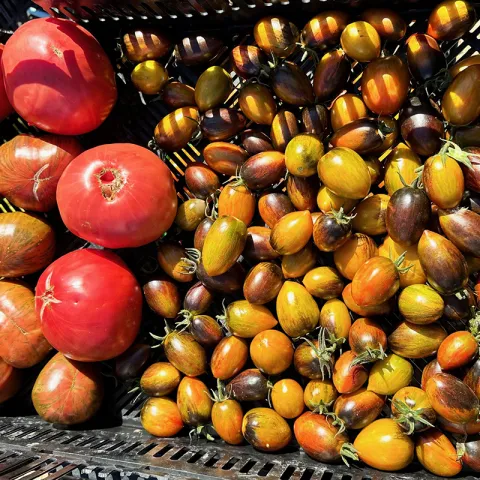
tomatoes College of Marin Indian Valley Organic Farm & Garden photo Jean Christofferson
UC Marin Master Gardeners: Document

Tomato

Scientific Name Solanum lycopersicum General Information These instructions are for indeterminate tomatoes, which grow and produce until killed by frost or disease. Determinate varieties have similar requirements but need less support and pruning and work in smaller containers. Determinate…
View Document
Article

UC federal update

March 14, 2025
By Michael Hsu
This week, President Drake traveled to Washington, D.C., to advocate for UC priorities with federal policymakers – including Democrats and Republicans across the California congressional delegation – and other key partners. President Drake's meetings focused on the importance of federally funded research,…
View Article
Primary Image
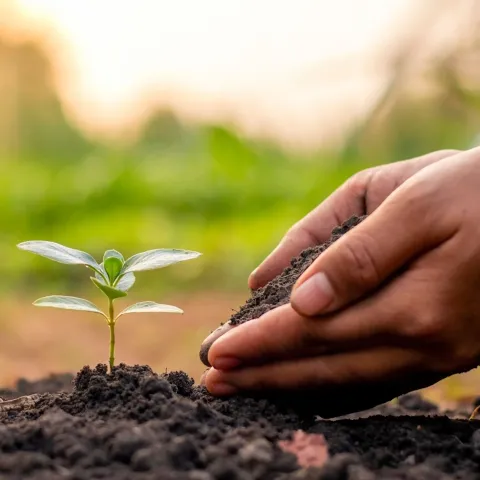
planting a seedling
UC Marin Master Gardeners: Article

Common soil problems in Marin

March 14, 2025
By Bonnie A Nielsen
 Good garden soil contains 30-50% sand, 30-50% silt, 20-30% clay, and 5-10% organic water. The bacteria, fungi, and worms in the soil produce substances that act like glue, binding all these different parts together to form groupings. These groupings determine the size of the soil pore space. In…
View Article
Primary Image
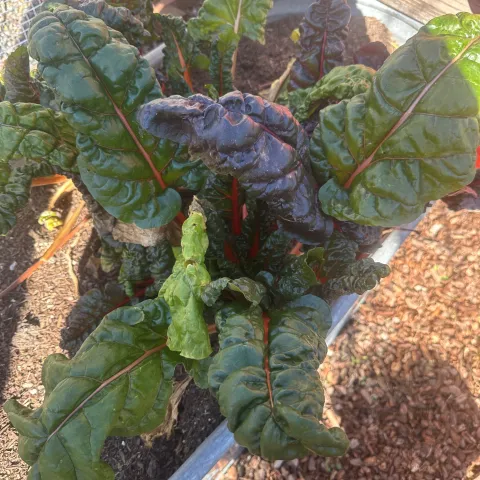
swiss chard
UC Marin Master Gardeners: Article

Ready, set, go

March 14, 2025
By Bonnie A Nielsen
 As I write this, it is mid-January, and I just finished weeding in my garden. The sun is so pleasantly warm, and I am picking peas, chard, kale, and lettuce from my winter garden. The days are getting a bit longer, bulbs are showing their faces, and my mind is moving towards my spring garden…
View Article
Primary Image
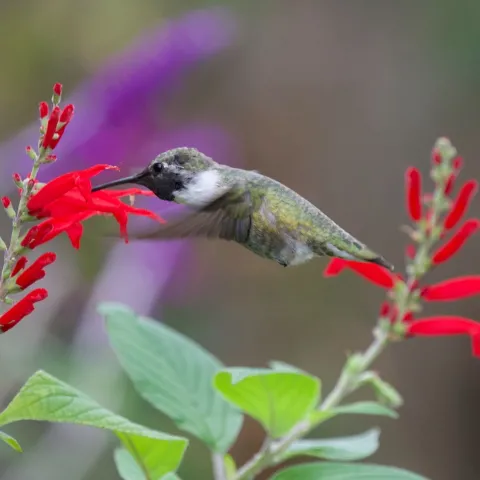
hummingbird at flower
UC Marin Master Gardeners: Article

The beauty and singular importance of the pollinator garden

March 14, 2025
By Bonnie A Nielsen
 Gardening is a uniquely healthy, relaxing, and inspirational activity. Planting that seed or seedling is perhaps the ultimate expression of optimism. The beautiful blooms and bountiful harvests we labor to cultivate can provide matchless feelings of accomplishment and pride. But we don’t do it alone…
View Article
Primary Image
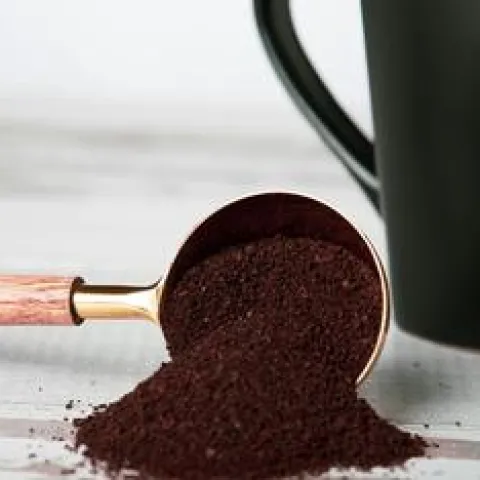
coffee grounds
UC Marin Master Gardeners: Article

The biggest gardening myth of all

March 14, 2025
By Bonnie A Nielsen
 Gardening myths are common and hard to shake. Most of the time these old wives’ tales are harmless, but sometimes they offer false hope to the gardener. Take the misconception about adding coffee grounds to soil to increase acidity for growing camellia, hydrangea, and azalea. Turns out fresh…
View Article
Event Primary Image
markus-spiske-nvk0j5IAgwI-unsplash
UC Master Gardeners of Monterey & Santa Cruz Counties: Event

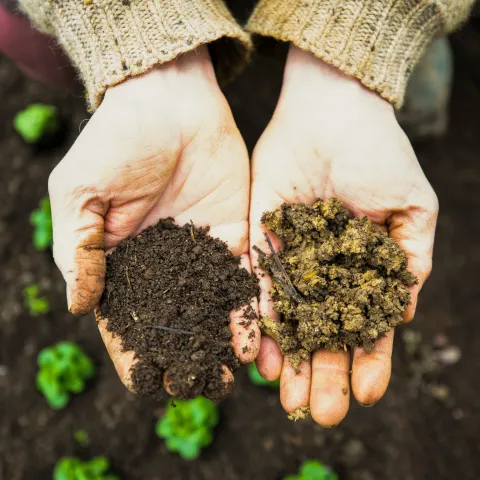
Regenerative Soil Techniques for the Home Gardener

Event Date
May 3, 2025

Monterey Bay/Santa Cruz County Master Gardeners invite our local community to join us to learn regenerative soil techniques that you can add to your gardening bag of tricks.Growing healthy soil helps the home gardener grow vibrant veggies and herbs, bountiful fruit trees and gorgeous flowers. We will…
UC Master Gardeners of Monterey & Santa Cruz Counties
View Event
Primary Image
Ant
UC Marin Master Gardeners: Document

Ants

In the Bay Area, the most frequently found ants populating our gardens and invading our homes are Argentine ants. Argentine ants are small (1/8”), and their queens are slightly larger. Their bodies are constricted, giving them an appearance of a thin waist, which distinguishes them from termites. …
View Document