A Natural Solution for California's Herds: African Catfish Peptides

California's cattle producers and agricultural communities are all too familiar with the rising challenge of antibiotic resistance, making common bacterial infections harder to treat in livestock. But imagine a future where we could tackle these infections with a natural, powerful alternative. Our research points to just that: antimicrobial peptides (AMPs) found in African catfish.

We're really excited about these peptides because African catfish thrive in pathogen-rich freshwater, naturally producing these robust immune compounds in their skin mucus as a defense. This natural origin makes them highly appealing alternatives to synthetic drugs.

Predicted Safety and Potent Action

One of the most compelling aspects of these AMPs is their predicted safety for mammals. Our initial computer analyses suggest that various catfish AMPs are generally recognized as safe (GRAS). We predict they'll be absorbed in the human intestine without causing liver, brain, or heart toxicity. Furthermore, lab tests on a promising peptide, NACAP-II, confirmed it was non-hemolytic, meaning it didn't damage rabbit red blood cells—a strong indicator of its potential safety for mammalian cells.

Beyond safety, these peptides demonstrate effectiveness against problematic bacteria. One study revealed NACAP-II's strong activity against Extended-Spectrum Beta-Lactamase (ESBL)-producing Escherichia coli—a critical concern for both animal and human health due to its resistance to many common antibiotics. Another peptide, ACAP-IV, also showed antibacterial activity against E. coli and Staphylococcus aureus. We believe these AMPs work by directly disrupting bacterial cell membranes, a mechanism that makes it harder for bacteria to develop resistance compared to how they resist traditional antibiotics.

Primary Image
Aphids
UC Marin Master Gardeners: Document

Aphids

 Small insects that suck fluids out of stems, leaves, and other tender plant parts. Soft pear-shaped bodies with long legs and antennae and may be green, yellow, brown, red, or black. A few species appear waxy or woolly due to the secretion of a waxy white or gray substance over their body surface…
View Document
Primary Image
Cucumber beetle
UC Marin Master Gardeners: Document

Cucumber Beetles

Common vegetable garden pest that also attacks ripening stone fruit. Adult beetles are shiny with black heads, long antennae, and about one-quarter inch long. Striped or spotted depending on species. Larvae are whitish and slender with three pairs of short legs; the head and tip of the abdomen are darker…
View Document
Primary Image
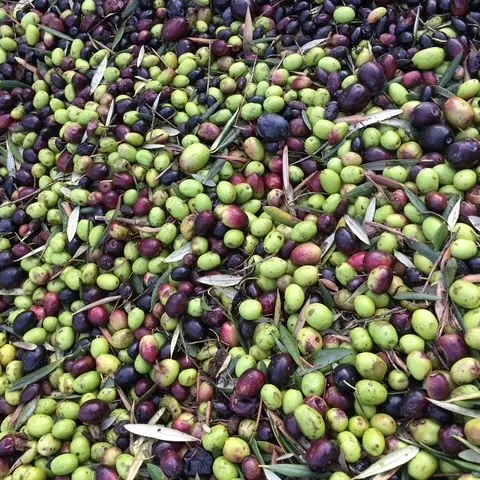
Olives in a bin
Food Blog: Article

Olive growers, enthusiasts invited to UC olive webinar April 4

March 14, 2025
By Pamela S Kan-Rice
Growers and others interested in growing table olives or olives for making olive oil are invited to a California Statewide Olive Seminar on Friday, April 4. The online seminar, a series of presentations from 8 a.m. to 1 p.m., is sponsored by the University of California Cooperative Extension and UC…
View Article
Primary Image
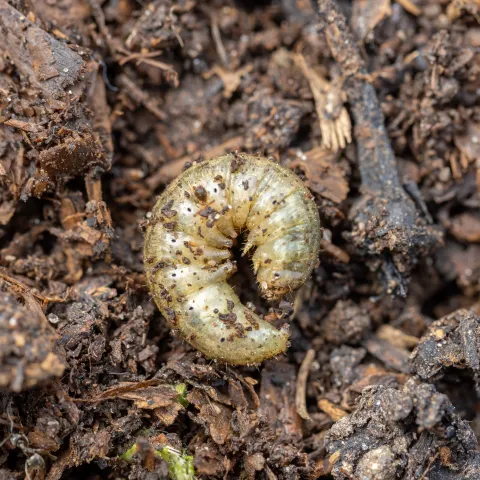
cutworm
UC Marin Master Gardeners: Document

Cutworms

 Cutworms are dull brown caterpillars one to two inches long when fully grown. They curl into a C-shape when disturbed. Some clip off seedling stems, while others chew or bore holes. CategoryInsectSigns/SymptomsCutworms feed on blossoms and leaves of many ornamental plants and attack most edible…
View Document
Primary Image
Earwig
UC Marin Master Gardeners: Document

Earwigs

 Earwigs can devastate seedling vegetables or annual flowers and often seriously damage maturing soft fruit or corn silks.  They also have a beneficial role in the landscape and have been shown to be important predators of aphids. Although several species occur, the most common in California…
View Document
Primary Image
Grub
UC Marin Master Gardeners: Document

Grubs

 Masked chafers are also called white grubs. They are beetle larvae, white with brown head, up to one inch long with bristles on underside. Produce one generation each year and overwinter as mature larvae. In spring and early summer, they pupate three to six inches deep in the soil.CategoryInsectSigns…
View Document
Primary Image
Leafminer
UC Marin Master Gardeners: Document

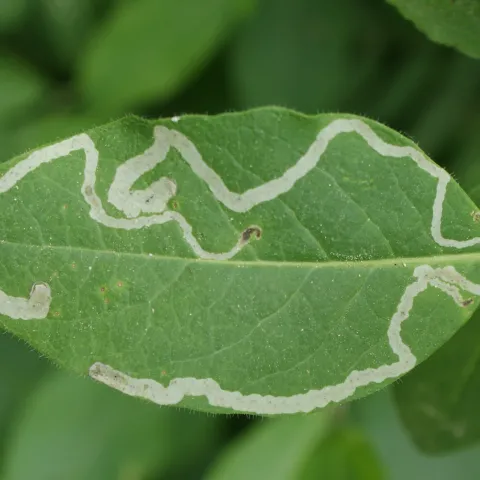
Leafminer

Leafminer larvae attack many vegetables and ornamentals. Male and female flies pierce leaves and suck sap. Female lays eggs between the leaf layers. When the larva hatches, it uses its mouth parts to rupture plant cells, weaving trails through the leaf. These trails are called mines.CategoryInsectSigns…
View Document
Primary Image
Scale insects
UC Marin Master Gardeners: Document

Scale

Adult scales are immobile with coverings that are one twenty-fifth to one-quarter inch long. Immature scales are small slow-moving bodies called crawlers that have legs which eventually drop off. There are two main groups of scale insects — soft and armored. Soft scales have a more rounded and convex…
View Document
Primary Image
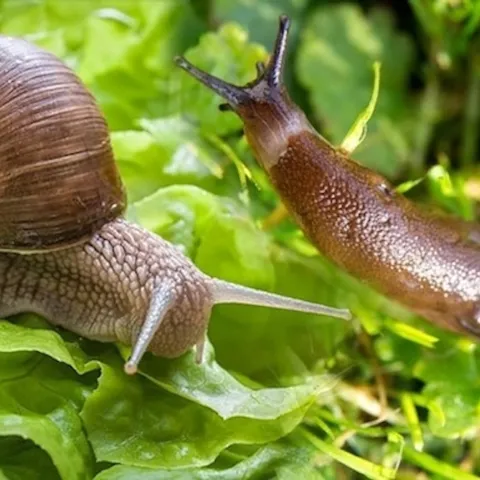
snails and slugs
UC Marin Master Gardeners: Document

Snails & Slugs

Both snails and slugs are members of the mollusk phylum and are similar in structure and biology, except that slugs lack the snail's external spiral shell. These mollusks move by gliding along on a muscular “foot.” This muscle constantly secretes mucus, which facilitates their movement and later dries to…
View Document
Primary Image
Thrips
UC Marin Master Gardeners: Document

Thrips

 Thrips are tiny, slender insects with hairs on their wing margins. They are less than one-twentieth inch long and their color varies depending on the species and life stage.Thrips hatch from eggs and develop through two feeding and two non-feeding stages before developing into adults.Most pest…
View Document