A Natural Solution for California's Herds: African Catfish Peptides

California's cattle producers and agricultural communities are all too familiar with the rising challenge of antibiotic resistance, making common bacterial infections harder to treat in livestock. But imagine a future where we could tackle these infections with a natural, powerful alternative. Our research points to just that: antimicrobial peptides (AMPs) found in African catfish.

We're really excited about these peptides because African catfish thrive in pathogen-rich freshwater, naturally producing these robust immune compounds in their skin mucus as a defense. This natural origin makes them highly appealing alternatives to synthetic drugs.

Predicted Safety and Potent Action

One of the most compelling aspects of these AMPs is their predicted safety for mammals. Our initial computer analyses suggest that various catfish AMPs are generally recognized as safe (GRAS). We predict they'll be absorbed in the human intestine without causing liver, brain, or heart toxicity. Furthermore, lab tests on a promising peptide, NACAP-II, confirmed it was non-hemolytic, meaning it didn't damage rabbit red blood cells—a strong indicator of its potential safety for mammalian cells.

Beyond safety, these peptides demonstrate effectiveness against problematic bacteria. One study revealed NACAP-II's strong activity against Extended-Spectrum Beta-Lactamase (ESBL)-producing Escherichia coli—a critical concern for both animal and human health due to its resistance to many common antibiotics. Another peptide, ACAP-IV, also showed antibacterial activity against E. coli and Staphylococcus aureus. We believe these AMPs work by directly disrupting bacterial cell membranes, a mechanism that makes it harder for bacteria to develop resistance compared to how they resist traditional antibiotics.
Primary Image
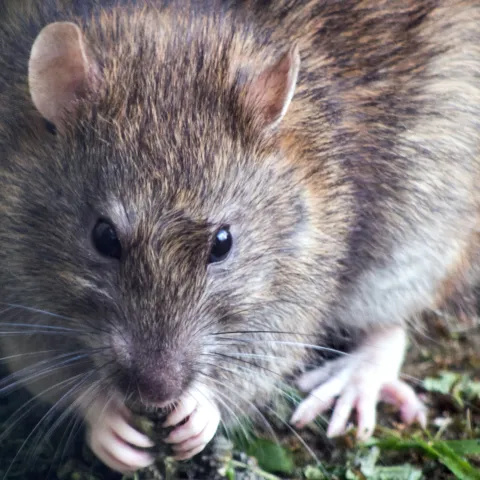
rat
UC Marin Master Gardeners: Document

Rats

Rats are among the most common pests in Marin homes and gardens. Norway rats (Rattus norvegicus) also known as brown, sewer, or wharf rats, are mostly nocturnal. They constantly explore and learn about their environment, memorizing pathways, obstacles, and locations of food and water. Roof rats (Rattus…
View Document
Primary Image
skunk
UC Marin Master Gardeners: Document

Skunks

Triangular-shaped head, short legs and long, sharp, non-retractable claws. Spray can be squirted accurately as far as six to 10 feet away as a defense mechanism. Live in burrows. Eat a varied diet. Excellent sense of smell and good hearing, but very poor vision. Healthy skunks are mild-tempered. They prefer…
View Document
Communications Toolkit: Page

Photography & Videography

Engaging audiences visually is an essential part of story-telling. These visual resources are designed to help you increase engagement in your content through the use of strong visuals.
View Page
UC Master Food Preserver Program of Orange County: Page

Resources

UC MFPOC Web PagesFood Preservation ResourcesFrom the HelplinePests in the PantryOther UC PagesUC Master Food Preserve Program ResourcesUCANR Safety NotesUC Food Safety WebsiteMiscellaneous:Preventing Wasted Food at Home (epa.gov)pH of Some Common Foods
View Page
Primary Image
Blue-purple salvia
Fresno Gardening Green: Article

March plant of the month: Rosette- and clump-forming salvias

March 13, 2025
By Jeannette Warnert
By Susan Rosenthal Having covered the first two major salvia groups, the small leaf (woody stemmed) and deciduous perennial salvias, this month's plants of the month are in the third and final group - the rosette- and clump-forming salvias.Rosette-forming species include S. argenta, S lyrata, S…
View Article