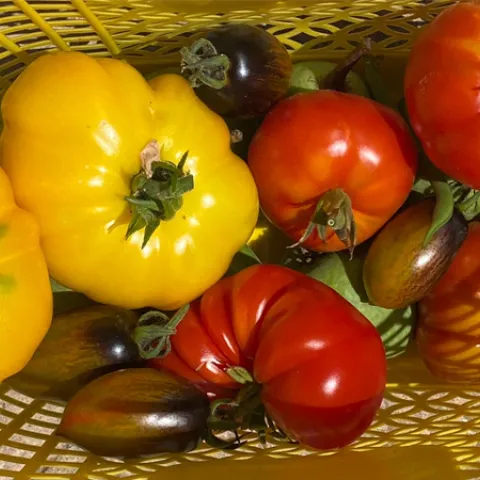
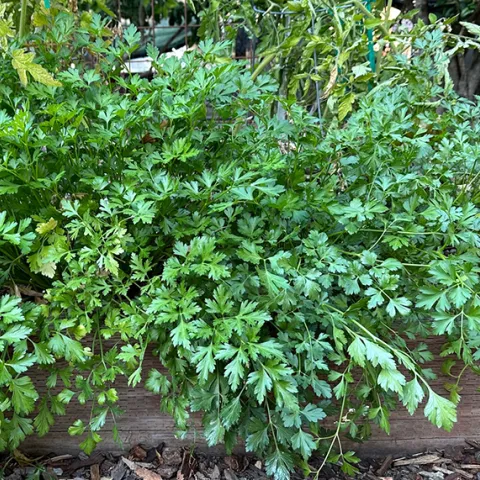
planting kale
mg-logo
UC Marin Master Gardeners

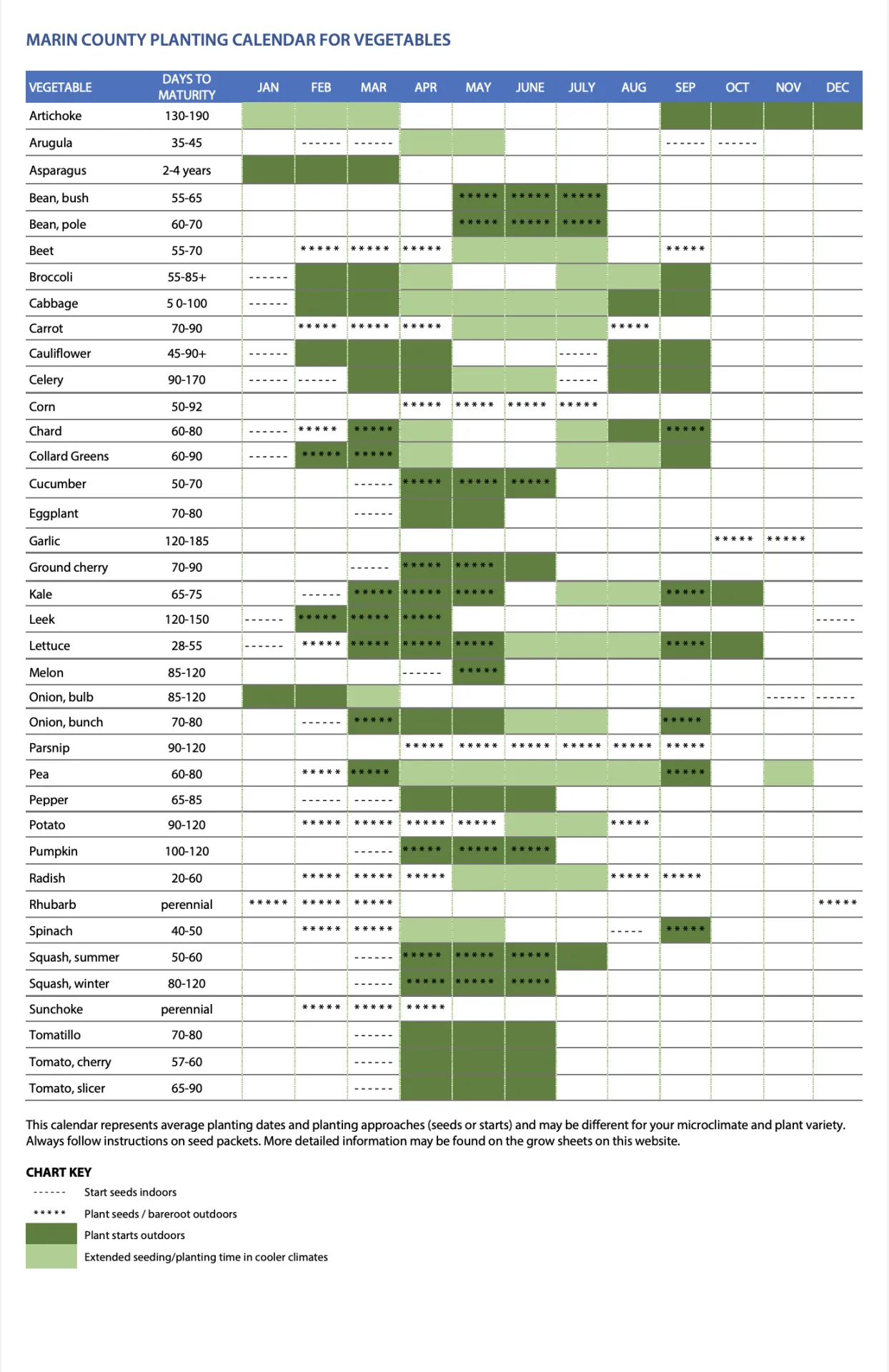
Planting Calendar

Primary Image
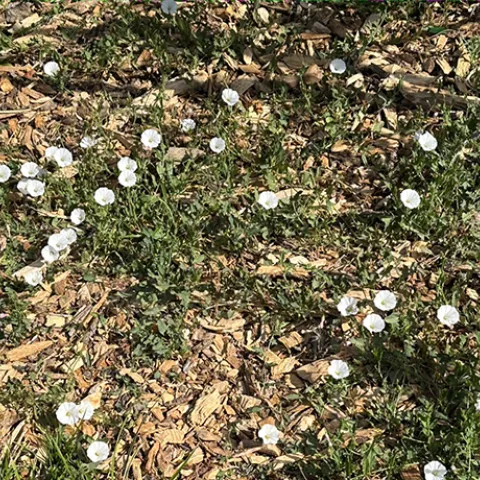
Field bindweed is a perennial garden weed also known as wild morning glory
UC Marin Master Gardeners: Article

September 2024: Tackling the Weeds

August 24, 2024
No matter what season, there is always weeding to be done in the Edible Demo Garden. Weeds seem to pop up everywhere...
View Article

July 2024: Fruit Tree Maintenance

Primary Image
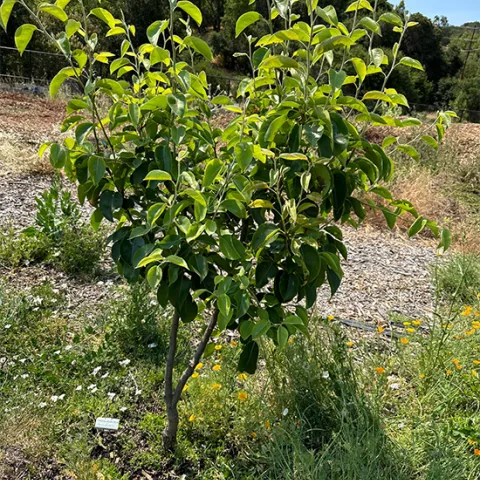
This Asian pear tree has been pruned for optimum size and shape.
Body

fruit tree 1
Two years ago, volunteers planted six bare-root fruit trees in the Edible Demo Garden. Although some did not survive and were replaced, there is now a row of small fruit trees that are beginning to produce. The trees in this little orchard do not demand as much attention as the annual edible crops, but they have their own seasonal care requirements.  In addition to regular irrigation and fertilization, fruit trees need pruning, fruit thinning, and disease management.


Why prune fruit trees?

All fruit trees require pruning for optimum vigor and fruit production. Pruning is also a way to control tree size, making care and harvesting easier. The first pruning of the fruit trees in the Edible Demo Garden was done at the time of planting. Following recommendations for keeping the trees small, a hard heading cut was made on the new bare root trees to remove approximately two-thirds of the main trunk to about knee height. In the following years, both winter and summer pruning have helped to shape the trees and maintain their health. Pruning in the winter when a tree is dormant helps to invigorate it and encourage new growth. Summer pruning is done to remove excess growth and control the dimensions and shape of the tree. Ideally, pruning should strive for a balance between the growth of new wood and the removal of old wood. The goal is also to allow sunlight to reach the lower limbs to enhance fruit production.

Pruning to remove any damaged, diseased, dying, or dead limbs is always important. Rootstock suckers and sprouts emerging below the graft section of the tree need to be pruned off. Shoots growing from the rootstock deplete energy from the scion or grafted part of the tree where the fruit is formed. Likewise, water sprouts are suckers that grow upright in the crown of the tree, and they also should be removed to direct the tree’s energy to fruit-producing branches.

fruit tree 2
fruit tree 3
fruit tree 5


Why should fruit be thinned?

fruit tree 4
Removal of flowers or fruit early in the spring increases the size of the remaining fruit by improving the leaf-to-fruit ratio. A ratio of 40-75 leaves per fruit is required to produce good-sized fruit in standard apple, peach, and nectarine cultivars. Plums and apricots need a leaf-to-fruit ratio of 30 to 50 leaves per fruit. The earlier that fruit are thinned, and the leaf-to-fruit ratio is increased, the larger the fruit will be at harvest and the greater the effect on next year’s bloom. Rather than count leaves, it’s more practical to thin most fruits to about 4-8 inches apart along a branch or to leave only one fruit per spur. Save the largest fruit and adjust the number of fruits to size of the limbs. Not only will the fruit be smaller on trees that are not thinned, but excess fruit can break branches and weaken the tree.


What common diseases have affected the trees in the Edible Demo Garden?

Sadly, organic gardens are not immune to the bacterial and fungal diseases that frequently affect fruit trees. Fire blight is a bacterial infection that attacks pome fruits like pear, apple, and quince trees. Young blossoms, shoots, and fruit shrivel and blacken, causing branches to appear burned. The disease can spread rapidly so it’s important to cut diseased branches back into about 12 inches of healthy wood to remove all the infected tissue. The bacteria can be transmitted by pruning tools, so they need to be sterilized before making each cut. In the Edible Demo Garden, a young Bartlett pear tree was infected by fire blight this year.

A frequent problem for stone fruits such as apricots, peaches, and plums, is leaf curl. This is caused by a fungal infection that attacks the leaves, shoots, and fruit, causing leaves to become thickened and pucker and fruit to drop. The fungus overwinters and becomes active in the spring when it is spread by splashing rainfall. The leaf curl fungus has infected an Asian plum tree in the Edible Demo Garden.

Copper-based fungicides can be used for the prevention of both fire blight and leaf curl; however, the timing of the applications is important. Treatment needs to be initiated early before any signs of disease are visible. Because copper is a naturally occurring mineral, it is acceptable for use in organic agriculture.


Click here for more information on the care of fruit trees

UC Marin Master Gardeners
Primary Image
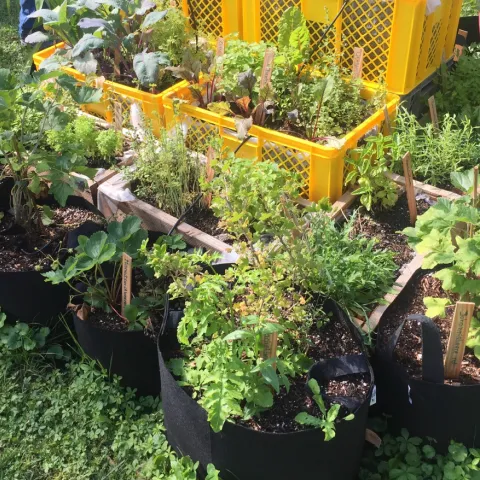
A combination of grow bags and other containers can be used to create a portable edible garden
UC Marin Master Gardeners: Article

June 2024: Growing Edibles in Containers

May 24, 2024
Maximizing the use of space to grow edibles is always a consideration in the Edible Demonstration Garden. Planting veggies in containers has proven to be an excellent way to expand the gardens growing capacity...
View Article
Primary Image
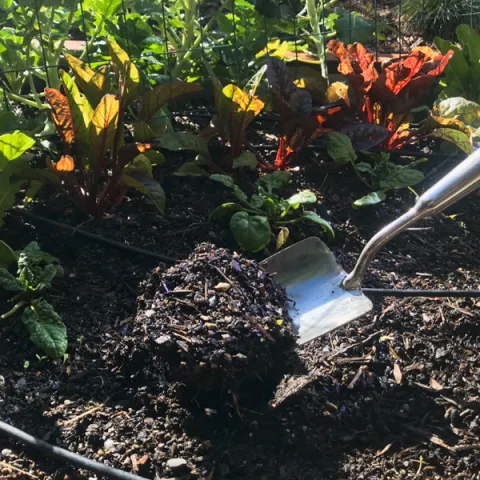
Garden soil can look healthy and still be lacking in nutrients essential for optimum plant growth
UC Marin Master Gardeners: Article

April 2024: The Importance of Soil Testing

March 23, 2024
The soil in the Edible Demo Garden gets a lot of attention. Compost and organic amendments are added regularly. Moisture levels are monitored, and rainwater is supplemented with drip irrigation and hand watering.
View Article
Primary Image
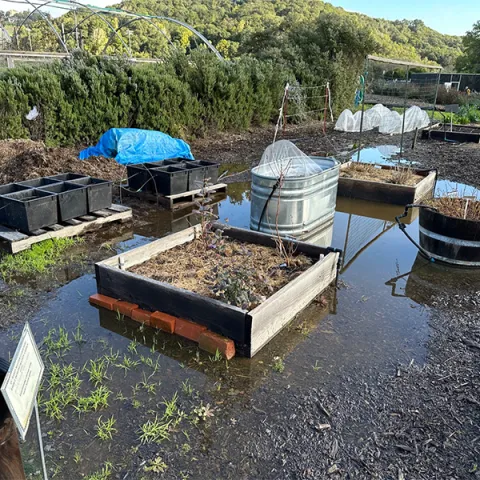
The flooded garden needed time to dry out after the February rains.
UC Marin Master Gardeners: Article

March 2024: Making Soil for Seeds

February 26, 2024
The rain in February flooded the areas around the garden beds in the Edible Demo Garden. Volunteers were busy digging trenches to redirect the water away from the planted areas and salvaging any crops that were still productive.
View Article
Primary Image
yeararoundgardening
UC Marin Master Gardeners: Article

February 2024: Rotating Crops

January 27, 2024
While the rains limited some of the garden work during January, it was the perfect time to assess the condition of the garden beds and plan for the spring and summer crops.
View Article
Primary Image
Almost all artichokes sold commercially in the US are grown in California Credit: rawpixel
UC Marin Master Gardeners: Article

January 2024: Planting Time for Artichokes

December 26, 2023
While artichokes may not be on every gardeners cool season vegetable list, they are fun to grow, and December is the right time to plant them for an early spring crop.
View Article
Primary Image
Caption: Buckwheat is a non-legume cover crop that helps to improve the soil in preparation for spring planting.
UC Marin Master Gardeners: Article

December 2023: Caring for the Soil

November 28, 2023
After the fall harvest was over, it was time to clean up and replenish the soil in the Edible Demo Garden. Healthy soil is fundamental to the success of the next seasons crops.
View Article