A Natural Solution for California's Herds: African Catfish Peptides

California's cattle producers and agricultural communities are all too familiar with the rising challenge of antibiotic resistance, making common bacterial infections harder to treat in livestock. But imagine a future where we could tackle these infections with a natural, powerful alternative. Our research points to just that: antimicrobial peptides (AMPs) found in African catfish.

We're really excited about these peptides because African catfish thrive in pathogen-rich freshwater, naturally producing these robust immune compounds in their skin mucus as a defense. This natural origin makes them highly appealing alternatives to synthetic drugs.

Predicted Safety and Potent Action

One of the most compelling aspects of these AMPs is their predicted safety for mammals. Our initial computer analyses suggest that various catfish AMPs are generally recognized as safe (GRAS). We predict they'll be absorbed in the human intestine without causing liver, brain, or heart toxicity. Furthermore, lab tests on a promising peptide, NACAP-II, confirmed it was non-hemolytic, meaning it didn't damage rabbit red blood cells—a strong indicator of its potential safety for mammalian cells.

Beyond safety, these peptides demonstrate effectiveness against problematic bacteria. One study revealed NACAP-II's strong activity against Extended-Spectrum Beta-Lactamase (ESBL)-producing Escherichia coli—a critical concern for both animal and human health due to its resistance to many common antibiotics. Another peptide, ACAP-IV, also showed antibacterial activity against E. coli and Staphylococcus aureus. We believe these AMPs work by directly disrupting bacterial cell membranes, a mechanism that makes it harder for bacteria to develop resistance compared to how they resist traditional antibiotics.

Shasta County: Article

2025 February Tips 'N Topics

January 31, 2025
In this issue: Mandatory Steer Tagging Pollination Garden Community Service - Save the Date Scholarships Information YQCA Training Poultry & Dairy Cattle Ban at California Fairs Valley Favorite Foods Day Countywide Garden Project Calendar Redding Rotary Honor to Youth Scholarship 2024-25 Record Book...
View Article
Primary Image
Lenten rose blooms well before the beginning of Lent in Fresno County. Enjoy now! (Photo: Jeannette Warnert)
Fresno Gardening Green: Article

This week in the garden: Jan. 31 to Feb. 6

January 31, 2025
Try grafting new fruit tree varieties onto your existing trees. Fruit of the same species are easily grafted together - peach onto peach, plum onto plum. Tasks Irrigate citrus and almonds at night if frost is expected.
View Article
Primary Image
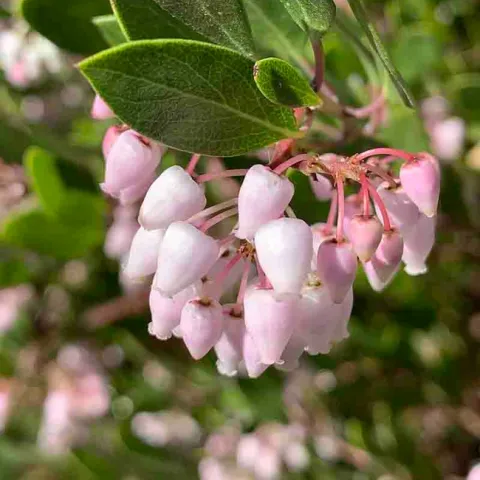
Manzanita Howard McMinn in bloom in January. Laura Kling.jpg
The Real Dirt: Article

Winter-blooming Native Plants

January 31, 2025
Most of California has a Mediterranean-type climate with cool, rainy winters followed by hot, dry summers. Many of the plants for sale in nurseries need help to survive in this climate, and often require a lot of water during the summer.
View Article
Primary Image
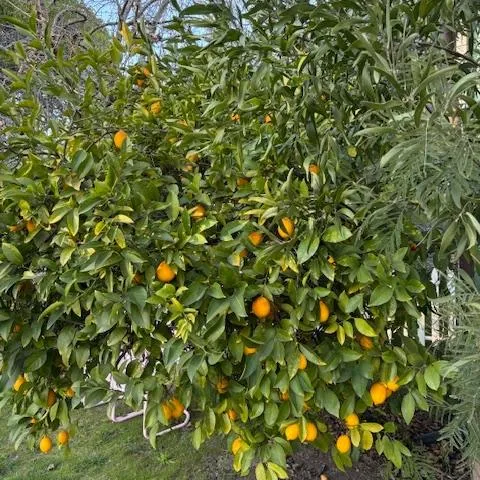
Healthy Meyer lemon (cwatter)

Using Our Website and the Plant Problem Tool!

January 31, 2025
By Cindy Watter, UC Master Gardener of Napa County Most of us UC Master Gardeners are accustomed to being approached by people who think we know everything about horticulture. While flattering, that is not the truth. Our training has taught us how to find the answers, however.
View Article
Primary Image
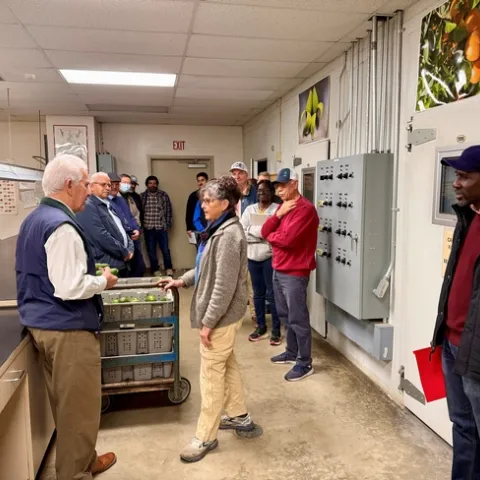
Rep. Jim Costa, left, listened as Mary Lu Arpaia talked about her research on postharvest handling and oil extraction from different avocado varieties grown at Lindcove REC and South Coast REC.
ANR Employee News: Article

Rep. Costa visits Kearney REC and tours research programs

January 30, 2025
By Pamela S Kan-Rice
The UC Kearney Agricultural Research and Extension Center has produced 60 years of research benefiting growers in the Central Valley and beyond. The center is a vital source of knowledge for all stakeholders in California including growers, policymakers and investors. On Jan.
View Article