A Natural Solution for California's Herds: African Catfish Peptides

California's cattle producers and agricultural communities are all too familiar with the rising challenge of antibiotic resistance, making common bacterial infections harder to treat in livestock. But imagine a future where we could tackle these infections with a natural, powerful alternative. Our research points to just that: antimicrobial peptides (AMPs) found in African catfish.

We're really excited about these peptides because African catfish thrive in pathogen-rich freshwater, naturally producing these robust immune compounds in their skin mucus as a defense. This natural origin makes them highly appealing alternatives to synthetic drugs.

Predicted Safety and Potent Action

One of the most compelling aspects of these AMPs is their predicted safety for mammals. Our initial computer analyses suggest that various catfish AMPs are generally recognized as safe (GRAS). We predict they'll be absorbed in the human intestine without causing liver, brain, or heart toxicity. Furthermore, lab tests on a promising peptide, NACAP-II, confirmed it was non-hemolytic, meaning it didn't damage rabbit red blood cells—a strong indicator of its potential safety for mammalian cells.

Beyond safety, these peptides demonstrate effectiveness against problematic bacteria. One study revealed NACAP-II's strong activity against Extended-Spectrum Beta-Lactamase (ESBL)-producing Escherichia coli—a critical concern for both animal and human health due to its resistance to many common antibiotics. Another peptide, ACAP-IV, also showed antibacterial activity against E. coli and Staphylococcus aureus. We believe these AMPs work by directly disrupting bacterial cell membranes, a mechanism that makes it harder for bacteria to develop resistance compared to how they resist traditional antibiotics.
ANR Employee News: Article

Two-day workshop to address bias and bigotry: Apply by Feb. 15

January 30, 2025
By Pamela S Kan-Rice
In alliance with Staff Assembly Council, Workplace Inclusion and Belonging presents Taking Responsibility in One Accord. TaRO was initiated thanks to a grant awarded by UC President Michael Drake that challenges grantees to address bias and bigotry.
View Article
Stanislaus County: Article

Save the Date: 2025 IPM Breakfast Meetings

January 30, 2025
Save the date for the 2025 IPM Breakfast Meetings! They will be held at the Old Mill Cafe, 600 9th St., Modesto CA, from 7 am - 8 am. See the attached flier for dates and more info. Continuing education credits will be offered (pending).
View Article
Primary Image
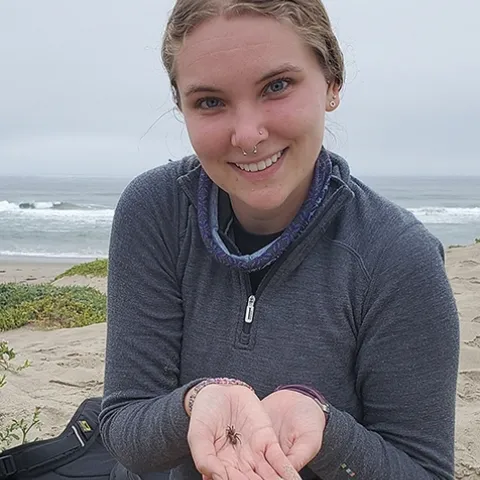
Emma "Em" Jochim, UC Davis doctoral candidate, on a field trip
Bug Squad: Article

Meet Butters at the Bohart on Biodiversity Museum Day

January 30, 2025
By Kathy Keatley Garvey
Hi, Butters! When you visit the Bohart Museum of Entomology during the 14th annual UC Davis Biodiversity Museum Day on Saturday, Feb. 8, you'll probably meet a scorpion named Butters. It's a new arrival, donated by a retired educator. She did not name it Butters.
View Article
Primary Image
photo by Elvira DeLeon
Under the Solano Sun: Article

Looking Back

January 30, 2025
Tis that time of year To look back and remember Projects done or not.
View Article
Primary Image
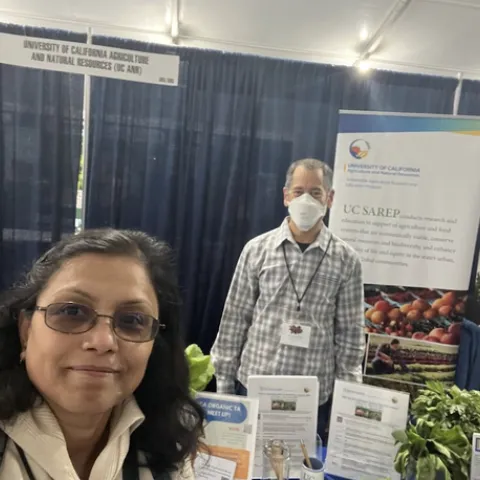
Srabani Das took a selfie at EcoFarm with Phillip Fujiyoshi, UCCE small farms community educator.
ANR Employee News: Article

Das shares her EcoFarm 2025 experiences

January 30, 2025
By Pamela S Kan-Rice
Srabani Das, UC Cooperative Extension specialist in regenerative agriculture at UC Merced, attended the EcoFarm Conference at Asilomar in Pacific Grove on Jan. 22-25. She shared her thoughts about the conference below. Attending the EcoFarm Conference 2025 was a great experience for me.
View Article
Primary Image
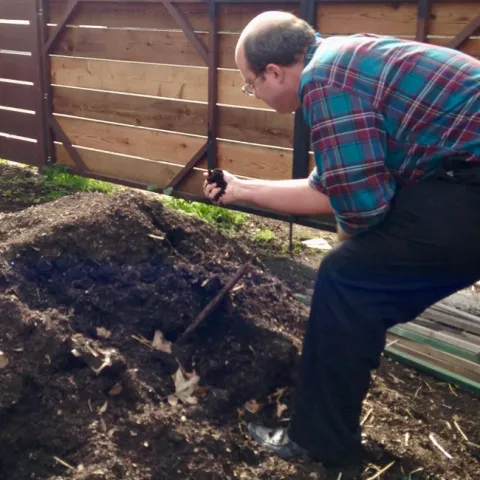
Rob Bennaton grabs a handful of top soil from a mound.
Green Blog: Article

Urban wildfire impacts water, soil and wildlife

January 30, 2025
By Pamela S Kan-Rice
As residents start to clean up after the Los Angeles County wildfires, the aftermath will continue to impact water and natural resources in and beyond the fire areas, according to water experts at University of California Agriculture and Natural Resources.
View Article
Primary Image
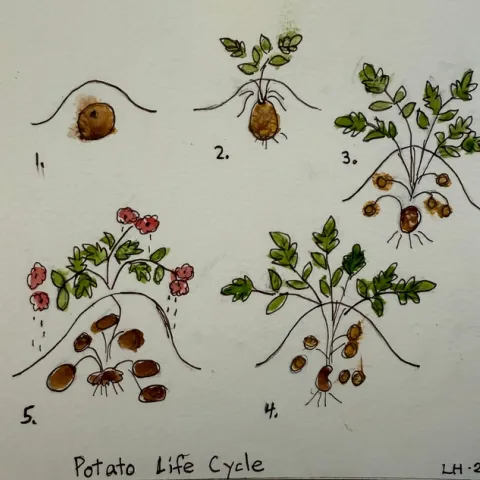
Illustration of the potato life cycle.
The Savvy Sage: Article

A Vegetable that Changed the World!

January 30, 2025
Can you guess which plant: Was first grown in the Peruvian Highlands between eight thousand and five thousand years BC Was poisonous if not eaten with clay until modified varieties were propagated Is now the fifth most important food crop in the world Produces asexually, creating endless clones, lik...
View Article
UC Cooperative Extension Imperial County: Article

Ag Supervisor Certificate Training Workshop

January 30, 2025
Attached you will find flyers and location information for the above Workshop given by UCCE San Diego County. This link below is for the registration. https://ucanr.edu/aglaborsupervisorworkshop3-2025 Last Day to register in January 31, 2025 @ 3:00 pm.
View Article
Primary Image
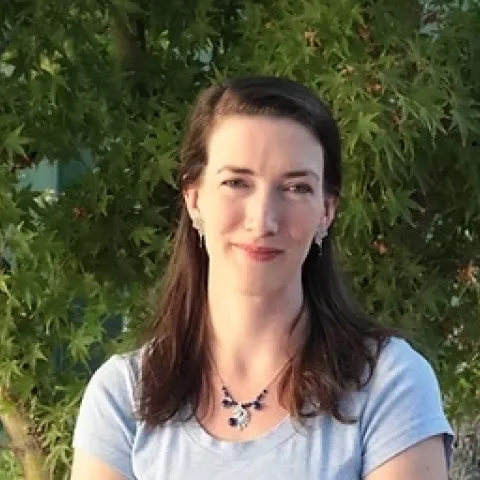
Claire Tuohey-Mote
ANR Employee News: Article

Names in the News

January 30, 2025
By Pamela S Kan-Rice
Tuohey-Mote joins Small Farms Network Claire Tuohey-Mote joined UC Agriculture and Natural Resources on Jan. 6 as a staff research and extension associate for the Small Farms Network in San Luis Obispo and Santa Barbara counties.
View Article