A Natural Solution for California's Herds: African Catfish Peptides

California's cattle producers and agricultural communities are all too familiar with the rising challenge of antibiotic resistance, making common bacterial infections harder to treat in livestock. But imagine a future where we could tackle these infections with a natural, powerful alternative. Our research points to just that: antimicrobial peptides (AMPs) found in African catfish.

We're really excited about these peptides because African catfish thrive in pathogen-rich freshwater, naturally producing these robust immune compounds in their skin mucus as a defense. This natural origin makes them highly appealing alternatives to synthetic drugs.

Predicted Safety and Potent Action

One of the most compelling aspects of these AMPs is their predicted safety for mammals. Our initial computer analyses suggest that various catfish AMPs are generally recognized as safe (GRAS). We predict they'll be absorbed in the human intestine without causing liver, brain, or heart toxicity. Furthermore, lab tests on a promising peptide, NACAP-II, confirmed it was non-hemolytic, meaning it didn't damage rabbit red blood cells—a strong indicator of its potential safety for mammalian cells.

Beyond safety, these peptides demonstrate effectiveness against problematic bacteria. One study revealed NACAP-II's strong activity against Extended-Spectrum Beta-Lactamase (ESBL)-producing Escherichia coli—a critical concern for both animal and human health due to its resistance to many common antibiotics. Another peptide, ACAP-IV, also showed antibacterial activity against E. coli and Staphylococcus aureus. We believe these AMPs work by directly disrupting bacterial cell membranes, a mechanism that makes it harder for bacteria to develop resistance compared to how they resist traditional antibiotics.
Primary Image
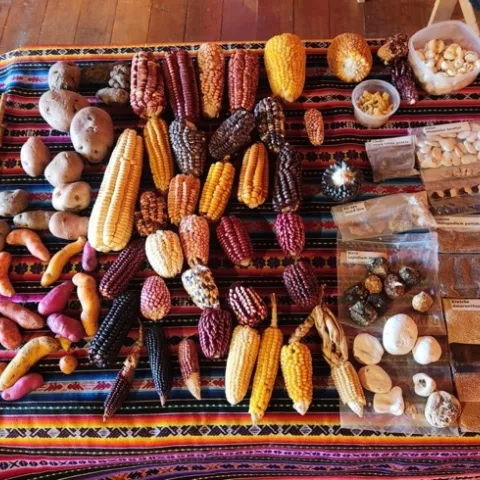
Varieties of Andean Corn.
UC Master Gardener Program of Contra Costa County: Article

Growing Vegetables in Peru

May 20, 2024
Article & Photos By Anne Sutherland My honey and I recently returned from the trip of a lifetime in Peru and the Galapagos. To our delight, biodiversity specialist Maywa Blanco talked about Perus many varieties of potatoes and corn when we were in Cusco.
View Article
UC Master Gardener Program of Contra Costa County: Article

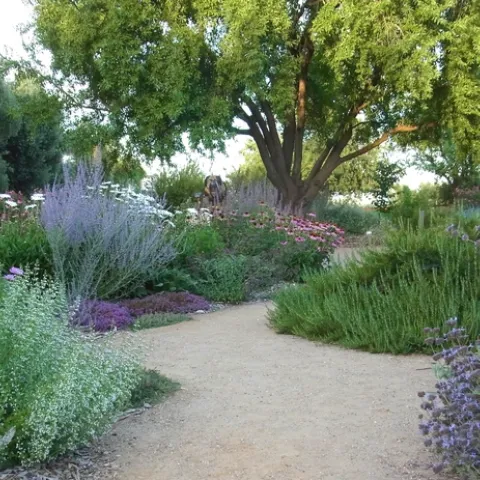
A Stubborn Watchman at the Low Water Garden

May 20, 2024
Article by Liz Rottger Photos by Brian Kerss This past winter, Brian Kerss and Liv Imset decided to prune a large elderberry tree at the Low Water Garden in Richmond. The tree had struggled through the entire summer with a heavy infestation of aphids and the pursuant black sooty mold.
View Article
Primary Image
Honeycomb Hideout
The Bee Gardener: Article

Final Thoughts: the Haven Past, Present, and Future

May 20, 2024
It began with an idea forged by Hagen-Dazs and UC Davis. Recognizing a need for the public to better understand the link between bees and our food supply, the garden was created in Spring 2009 thanks to a donation from Hagen-Dazs.
View Article
Primary Image
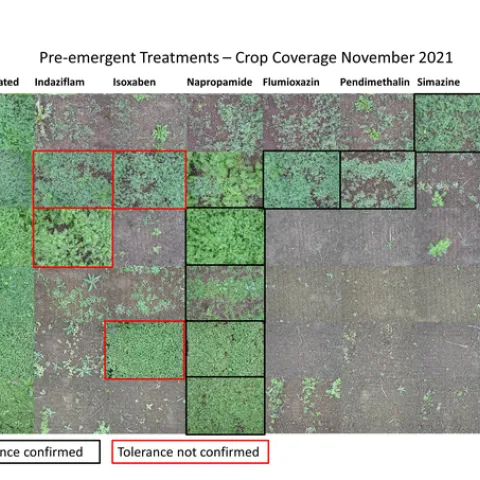
Pollinator habitat coverage in response to herbicide treatments
UC Weed Science (weed control, management, ecology, and minutia): Article

Weed control during pollinator habitat establishment.

May 20, 2024
By Ryan Hill
Introduction: Pollinator insects are essential to produce many economically and nutritionally important crops grown in the western USA. These crops include blueberries, almonds, sunflowers, cucurbits, and many others.
View Article
Primary Image
2 parallel drip irrigation lines running top to bottom on both sides of a vegetable seedling
The Backyard Gardener: Article

Flow Focus: Irrigation Friction Loss

May 20, 2024
I recently helped one of our local student gardens install a drip irrigation system in some raised beds. During the installation, I had to explain why we were using tubing for most of our system instead of .
View Article
Article

Hrdy to fund citrus pest, raptor research

May 20, 2024
By Pamela S Kan-Rice
Thanks to the generosity of the Hrdy family, we are pleased to announce that the following proposals have been selected for funding through The Daniel & Sarah Hrdy Fund for UC Cooperative Extension Research.
View Article
Primary Image
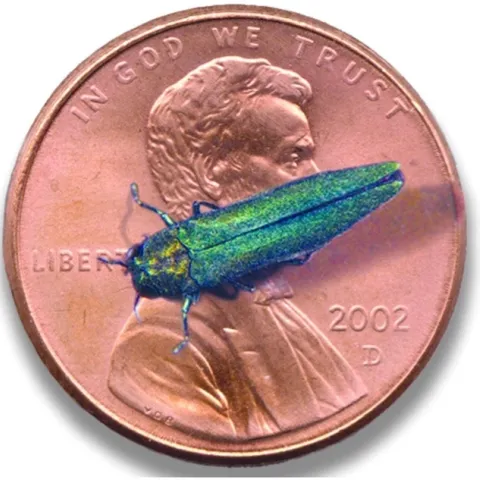
A long, metallic green beetle on a penny.
Pests in the Urban Landscape: Article

Emerald Ash Borer Awareness Week 2024

May 20, 2024
By Belinda Messenger-Sikes
The emerald ash borer (EAB) may be beautiful, but it is the most destructive forest pest ever seen in North America. Hundreds of millions of ash trees across 36 states and 5 Canadian provinces have been killed by this invasive insect.
View Article