A Natural Solution for California's Herds: African Catfish Peptides

California's cattle producers and agricultural communities are all too familiar with the rising challenge of antibiotic resistance, making common bacterial infections harder to treat in livestock. But imagine a future where we could tackle these infections with a natural, powerful alternative. Our research points to just that: antimicrobial peptides (AMPs) found in African catfish.

We're really excited about these peptides because African catfish thrive in pathogen-rich freshwater, naturally producing these robust immune compounds in their skin mucus as a defense. This natural origin makes them highly appealing alternatives to synthetic drugs.

Predicted Safety and Potent Action

One of the most compelling aspects of these AMPs is their predicted safety for mammals. Our initial computer analyses suggest that various catfish AMPs are generally recognized as safe (GRAS). We predict they'll be absorbed in the human intestine without causing liver, brain, or heart toxicity. Furthermore, lab tests on a promising peptide, NACAP-II, confirmed it was non-hemolytic, meaning it didn't damage rabbit red blood cells—a strong indicator of its potential safety for mammalian cells.

Beyond safety, these peptides demonstrate effectiveness against problematic bacteria. One study revealed NACAP-II's strong activity against Extended-Spectrum Beta-Lactamase (ESBL)-producing Escherichia coli—a critical concern for both animal and human health due to its resistance to many common antibiotics. Another peptide, ACAP-IV, also showed antibacterial activity against E. coli and Staphylococcus aureus. We believe these AMPs work by directly disrupting bacterial cell membranes, a mechanism that makes it harder for bacteria to develop resistance compared to how they resist traditional antibiotics.

Primary Image
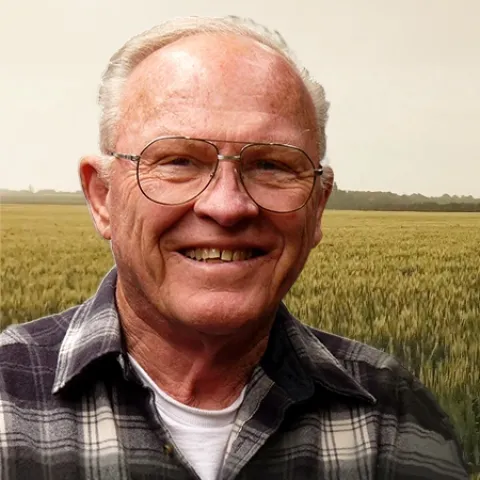
Milton Schroth
ANR Employee News: Article

In memoriam: Milton Schroth

October 29, 2023
By Pamela S Kan-Rice
Milton Neil Schroth, a world-renowned plant pathologist and professor emeritus with more than three decades of service to UC Berkeley, died on Oct.11. He was 90. Schroth was born on June 25, 1933, and grew up in Southern California.
View Article
Primary Image
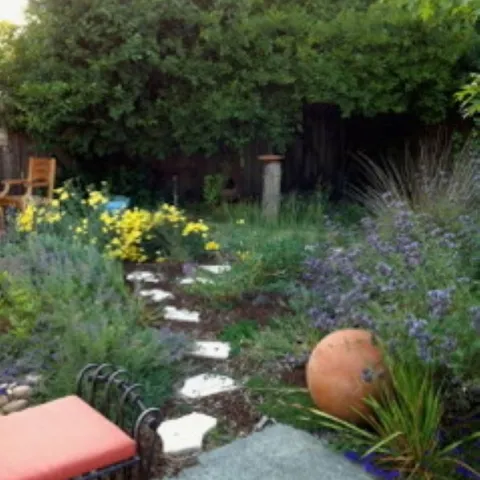
Photo credit Peggy McConnell 4
Napa Master Gardener Column: Article

Replacing the Lawn and Cash for Grass

October 28, 2023
I was lucky enough to buy a small Napa house in 2008. Trees, shrubs, and a lawn dominated the large backyard. Mowing the lawn took a long time due to the rocky terrain and poor shape of the lawn. Not what I wanted to do on a Saturday. Then there was the weeding and watering.
View Article
Primary Image
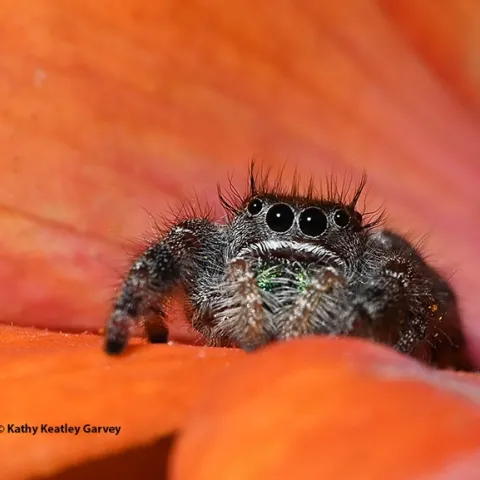
A jumping spider stares at the photographer. (Photo by Kathy Keatley Garvey)
Bug Squad: Article

A Treat for the UC Davis Biodiversity Museum Day

October 27, 2023
By Kathy Keatley Garvey
Trick or treat? Treat, please, says this jumping spider. It's time to jump in to help the 13th annual UC Davis Biodiversity Museum Day crowdunding project. It's a Super Science Day to be held Saturday, Feb. 10 on the UC Davis campus. It's a free and family friendly event.
View Article
Primary Image
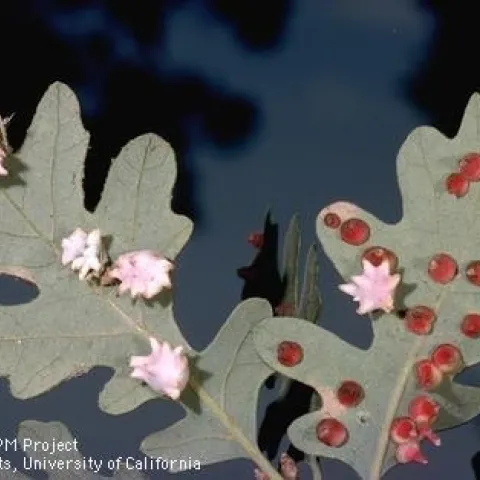
Oak galls, which come in a wide variety of shapes and colors, don't harm people or trees. (Photo: UC IPM)
Fresno Gardening Green: Article

This week in the garden: October 27 to November 2

October 27, 2023
The bumps on oak tree foliage and branches are galls caused by minute cynipid wasps, and do not harm people or the trees. Cut warm-season grasses short and over-seed with cool season grasses annual or perennial rye or fine fescue.
View Article
Article

Open Enrollment is here, through Nov. 17, 2023

October 27, 2023
By Pamela S Kan-Rice
Open Enrollment, your opportunity to enroll in the right benefits for you, started on Oct. 26 and extends through Nov. 17, 2023, at 5 p.m. Pacific Time. Health care costs and medical plan premiums are increasing nationwide, including for UC.
View Article