A Natural Solution for California's Herds: African Catfish Peptides

California's cattle producers and agricultural communities are all too familiar with the rising challenge of antibiotic resistance, making common bacterial infections harder to treat in livestock. But imagine a future where we could tackle these infections with a natural, powerful alternative. Our research points to just that: antimicrobial peptides (AMPs) found in African catfish.

We're really excited about these peptides because African catfish thrive in pathogen-rich freshwater, naturally producing these robust immune compounds in their skin mucus as a defense. This natural origin makes them highly appealing alternatives to synthetic drugs.

Predicted Safety and Potent Action

One of the most compelling aspects of these AMPs is their predicted safety for mammals. Our initial computer analyses suggest that various catfish AMPs are generally recognized as safe (GRAS). We predict they'll be absorbed in the human intestine without causing liver, brain, or heart toxicity. Furthermore, lab tests on a promising peptide, NACAP-II, confirmed it was non-hemolytic, meaning it didn't damage rabbit red blood cells—a strong indicator of its potential safety for mammalian cells.

Beyond safety, these peptides demonstrate effectiveness against problematic bacteria. One study revealed NACAP-II's strong activity against Extended-Spectrum Beta-Lactamase (ESBL)-producing Escherichia coli—a critical concern for both animal and human health due to its resistance to many common antibiotics. Another peptide, ACAP-IV, also showed antibacterial activity against E. coli and Staphylococcus aureus. We believe these AMPs work by directly disrupting bacterial cell membranes, a mechanism that makes it harder for bacteria to develop resistance compared to how they resist traditional antibiotics.
UC Cooperative Extension Imperial County: Article

34th Annual Fall Desert Crops Workshop Agenda - UPDATED

October 30, 2023
The previous meeting notice agenda for the Fall Desert Crops workshop was the wrong format to be able to register. Please use this one as you can click the link to register. Thank you. We apologize if anyone has been trying to contact us via telephone.
View Article
Primary Image
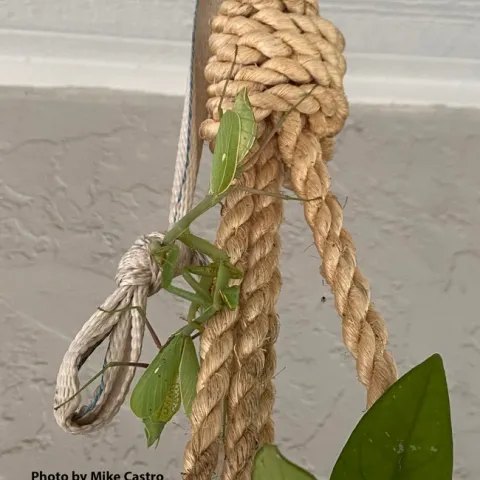
Two female praying mantes, Stagmomantis limbata, encounter one another on a potted plant in Vacaville. (Cell phone image by Mike Castro)
Bug Squad: Article

'This Hanging Pot Ain't Big Enough for Both of Us!'

October 30, 2023
By Kathy Keatley Garvey
"This hanging potted plant ain't big enough for both of us!" That's what a female praying mantis, Stagmomantis limbata, seemed to be warning when she encountered another female on "her" hanging potted plant. So, how do you beat the competition? You defeat 'em and then you eat 'em.
View Article
UC Cooperative Extension Imperial County: Article

34th Annual Fall Desert Crops Workshop

October 30, 2023
Final Agenda with Approved CEUs We apologize if anyone has been trying to contact us via telephone. We have been dealing with a major Internet issue which has affected our phones. If you need to contact anyone, please use their email address. Thank you for your understanding.
View Article
Primary Image
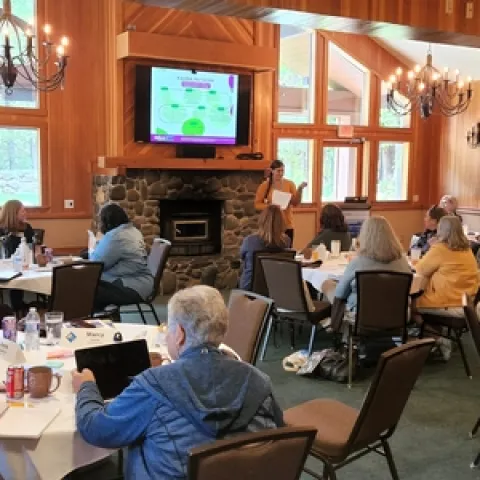
Meeting room of attendees at the Granlibakken in Tahoe City.
Coordinator News: Article

2023 Annual Program Coordinator Meeting Recap

October 30, 2023
By Missy Gable
We were pleased to welcome 27 people representing 34 counties at this year's annual UC Master Gardener Program Coordinator Meeting. As this was a conference year, our meeting was held at the start of the triennial UC Master Gardener Conference, this year in Tahoe City, CA on Monday, Oct. 2.
View Article
Primary Image
Kaleia Law
Thriving Forward: Article

Meet 4-H Club President Kaleia

October 30, 2023
By Matthew R Rodriguez
Recently I [Matt] had a chance to interview 4-H youth member Kaleia who is also this year's 4-H club president for Barry in Sutter County. The following are Kaleia's responses to my questions.
View Article
Primary Image
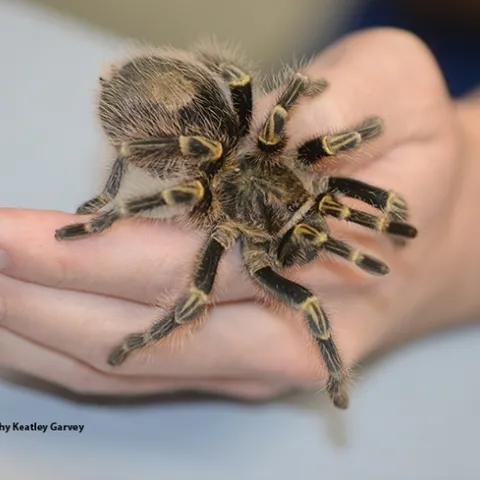
Tarantula crawling over human hand.
The Stanislaus Sprout: Article

Spectacular Spooky Spiders

October 30, 2023
By Anne E Schellman
October is tarantula season in the foothills! Male tarantulas of the species Aphonopelma iodius are currently on the move, leaving their underground burrows, in search of a willing female to mate with.
View Article
Primary Image
Computer with statistical charts
ANR Employee News: Article

Statistics resources available

October 29, 2023
By Jodi L Azulai
UC ANR is working to bring you statistics resources, informed by internal needs assessments and by identifying statistics experts who are open to opportunities for consulting and collaboration within the UC ANR network. If you have expertise in statistics, please sign up in this Google sheet.
View Article