A Natural Solution for California's Herds: African Catfish Peptides

California's cattle producers and agricultural communities are all too familiar with the rising challenge of antibiotic resistance, making common bacterial infections harder to treat in livestock. But imagine a future where we could tackle these infections with a natural, powerful alternative. Our research points to just that: antimicrobial peptides (AMPs) found in African catfish.

We're really excited about these peptides because African catfish thrive in pathogen-rich freshwater, naturally producing these robust immune compounds in their skin mucus as a defense. This natural origin makes them highly appealing alternatives to synthetic drugs.

Predicted Safety and Potent Action

One of the most compelling aspects of these AMPs is their predicted safety for mammals. Our initial computer analyses suggest that various catfish AMPs are generally recognized as safe (GRAS). We predict they'll be absorbed in the human intestine without causing liver, brain, or heart toxicity. Furthermore, lab tests on a promising peptide, NACAP-II, confirmed it was non-hemolytic, meaning it didn't damage rabbit red blood cells—a strong indicator of its potential safety for mammalian cells.

Beyond safety, these peptides demonstrate effectiveness against problematic bacteria. One study revealed NACAP-II's strong activity against Extended-Spectrum Beta-Lactamase (ESBL)-producing Escherichia coli—a critical concern for both animal and human health due to its resistance to many common antibiotics. Another peptide, ACAP-IV, also showed antibacterial activity against E. coli and Staphylococcus aureus. We believe these AMPs work by directly disrupting bacterial cell membranes, a mechanism that makes it harder for bacteria to develop resistance compared to how they resist traditional antibiotics.
Primary Image
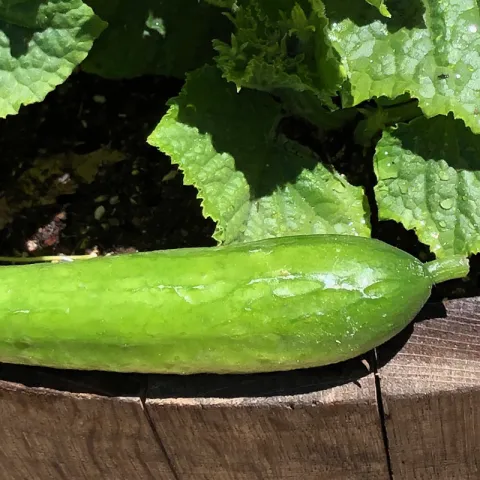
cucumber
UC Marin Master Gardeners: Document

Cucumber

Cucumbers, Cucumis sativus, are a warm season crop belonging to the Cucurbitaceae (gourd) family. Produces cylindrical, tapered fruits used as vegetables. Originates from South Asia. Many varieties: slicing, pickling, burpless, seedless, English, Asian and Persian, Armenian and more. Trailing and bush…
View Document
Primary Image
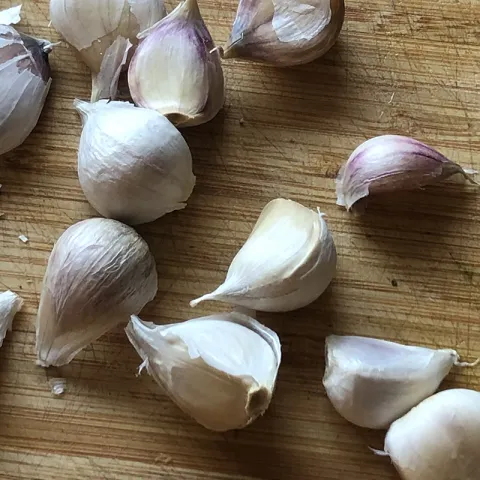
garlic
UC Marin Master Gardeners: Document

Garlic

Garlic, Allium sativum, is a vegetable food crop with a bulb, stem, and leaves. All parts of the plant are edible, and young plants are sometimes harvested for flavor and nutrition. At maturity, leaves are dry and the bulb is the prize. Native to Middle Asia, although different Allium varieties are found all…
View Document
Primary Image
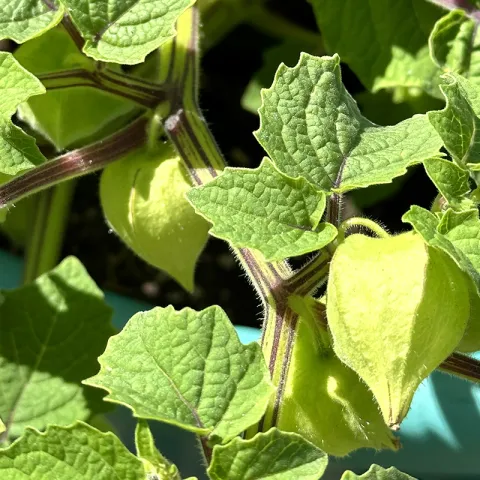
ground cherry photo Jean Christofferson
UC Marin Master Gardeners: Document

Groundcherry

Groundcherry, Physalis peruviana, is an easy care and prolific plant in the nightshade family. Produces small, round edible fruit in little paper lanterns similar to a tomatillo. Requires some space. Growing requirements are similar to tomatoes.
View Document
Primary Image
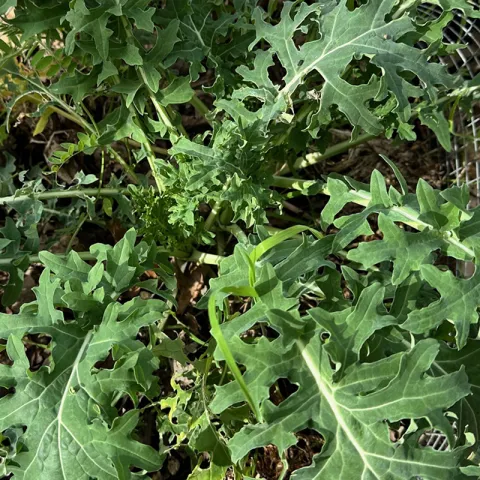
Kale
UC Marin Master Gardeners: Document

Kale

Kale, Brassica oleracea var. acephala, comes in edible and ornamental varieties. Ornamental or flowering kale is grown for decorative leaves. Edible, or salad, kale is a super nutritious, cool-season, fast-growing relative of cabbage that is eaten raw or cooked. Within each type there are many sizes, shapes,…
View Document
Primary Image
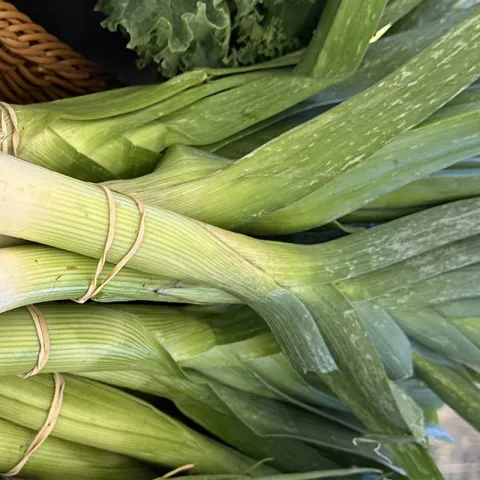
leeks at the College of Marin Indian Valley Organic Farm & Garden photo Jean Christofferson
UC Marin Master Gardeners: Document

Leeks

Leeks, Allium ampeloprasum var. porrum, are cool season biennials grown as annuals. Easily grown member of the Allium family. They don't form bulbs like their garlic and onion relatives. They develop a six to ten inch edible stem up to three inches in diameter. Will endure, but don't appreciate temperatures…
View Document
Primary Image
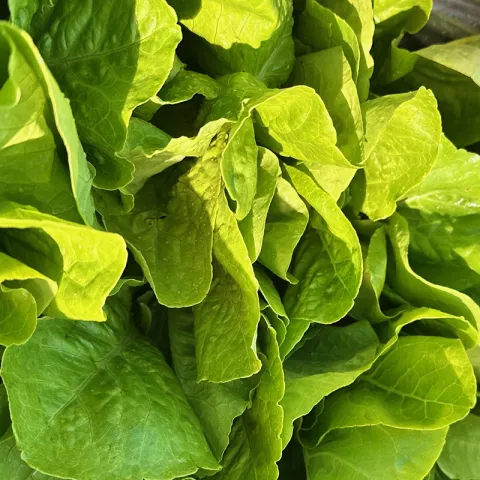
Lettuce
UC Marin Master Gardeners: Document

Lettuce

Lettuce, Lactuca sativa, is a cool season annual, but can be grown year-long along the coast. Varieties include faster growing loose leaf, lightly headed butterhead, romaine, and tight headed crisphead. Native to Middle East.
View Document
Primary Image
Pruning
UC Marin Master Gardeners: Document

January: Pruning and Thinning for Fire Safety

  Winter is a great time to prune plants for fire safety. All plants can burn, but removing or trimming branches now can reduce potential fuels and create space between plants and plant groupings to slow or interrupt the path of fire to your home during wildfire season.Before you begin,…
View Document
Primary Image
Zone 0
UC Marin Master Gardeners: Document

February: Assessing and Planning Zones 1 & 2

 In December, we discussed strategies for assessing and planning Zone 0, 0-5 feet from your home, where the best practice is to remove any combustible materials.For Zones 1 and 2, focus on plant size and spacing to reduce fire pathways to your home.Zone 1 – 5 to 30 feet from homeObjective: Reduce heat…
View Document
Primary Image
fire-smart plantings
UC Marin Master Gardeners: Document

April: Mulch with Wildfire in Mind

 Mulch is any material spread over soil to retain moisture, suppress weeds, and prevent erosion. For fire safety, inorganic mulches such as rock are a non-combustible option that can be used anywhere in your landscape. Organic mulch is composed of plant materials and is combustible, but also provides…
View Document
Primary Image
Variety of plants in a plant nursery
UC Marin Master Gardeners: Document

May: Choosing Plants for a Fire-smart Landscape

 Creating a fire-smart landscape is about making informed choices that protect your home while maintaining beauty. While all plants can burn, thoughtful selection and strategic placement can reduce fire risk. When choosing plants for your fire-smart landscape, prioritize:Plants with higher…
View Document