A Natural Solution for California's Herds: African Catfish Peptides

California's cattle producers and agricultural communities are all too familiar with the rising challenge of antibiotic resistance, making common bacterial infections harder to treat in livestock. But imagine a future where we could tackle these infections with a natural, powerful alternative. Our research points to just that: antimicrobial peptides (AMPs) found in African catfish.

We're really excited about these peptides because African catfish thrive in pathogen-rich freshwater, naturally producing these robust immune compounds in their skin mucus as a defense. This natural origin makes them highly appealing alternatives to synthetic drugs.

Predicted Safety and Potent Action

One of the most compelling aspects of these AMPs is their predicted safety for mammals. Our initial computer analyses suggest that various catfish AMPs are generally recognized as safe (GRAS). We predict they'll be absorbed in the human intestine without causing liver, brain, or heart toxicity. Furthermore, lab tests on a promising peptide, NACAP-II, confirmed it was non-hemolytic, meaning it didn't damage rabbit red blood cells—a strong indicator of its potential safety for mammalian cells.

Beyond safety, these peptides demonstrate effectiveness against problematic bacteria. One study revealed NACAP-II's strong activity against Extended-Spectrum Beta-Lactamase (ESBL)-producing Escherichia coli—a critical concern for both animal and human health due to its resistance to many common antibiotics. Another peptide, ACAP-IV, also showed antibacterial activity against E. coli and Staphylococcus aureus. We believe these AMPs work by directly disrupting bacterial cell membranes, a mechanism that makes it harder for bacteria to develop resistance compared to how they resist traditional antibiotics.

Primary Image
potato harvest
UC Marin Master Gardeners: Document

Potato

Potatoes, Solanum tuberosum, are a cool season perennial grown as an annual. They are native to the Andes region of South America. Potatoes are fun and easy to grow and thrive when air temperatures are less than 65 degrees Fahrenheit. They are a member of the Solanaceae or nightshade family.
View Document
Primary Image
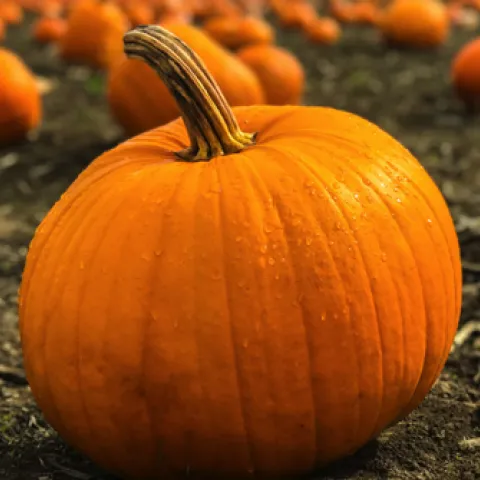
pumpkin
UC Marin Master Gardeners: Document

Pumpkin

Pumpkin, Cucurbita pep, is a winter squash that grows from a flower. It is a fruit, but it is usually prepared as a vegetable. The plant has male and female flowers. Pumpkins need lots of growing space and may be trellised.
View Document
Primary Image
Radish photo Jengod
UC Marin Master Gardeners: Document

Radish

Radishs are a crisp, peppery, root vegetable in the Brassica family. Both roots and tops may be eaten. Radishes are easy to grow. They are available in many shapes, sizes and colors. Smaller summer radishes mature quickly while larger winter radishes take several months to mature.
View Document
Primary Image
Spinach photo Jean Christofferson
UC Marin Master Gardeners: Document

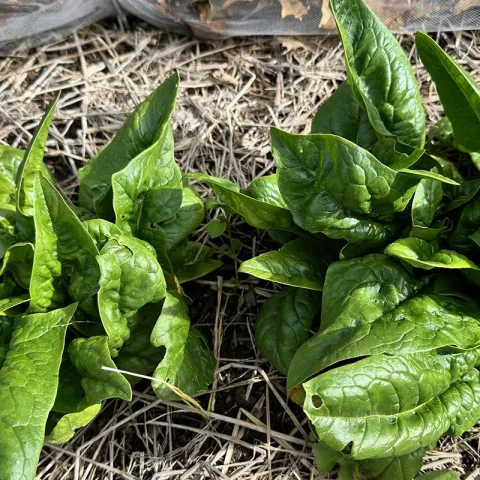
Spinach

Spinach (Spinacea oleracea) is a cool-season annual crop that matures quickly. It's eaten raw or cooked and is packed with vitamins and minerals. Spinach produces a rosette of leaves that may be wrinkled (savoy or semisavoy types) or smooth (flat leaf types). Leaves are oval, round, or triangular on short…
View Document
Primary Image
Squash harvest College of Marin Indian Valley Organic Farm and Garden photo Jean Christofferson
UC Marin Master Gardeners: Document

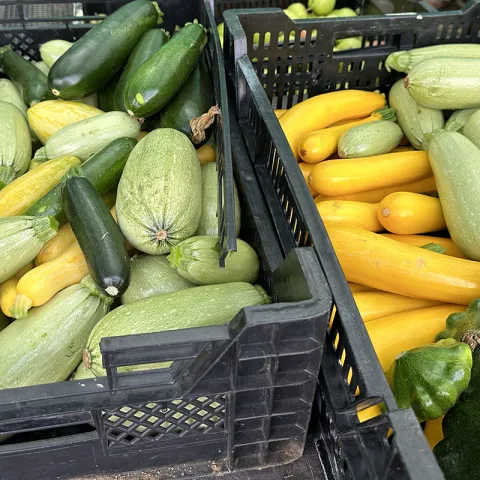
Squash - Summer

Summer Squash, Cucurbita pepa Grow Sheet. Easy, prolific warm season vegetable. Good source of vitamin A and potassium. High producer; bears fruit until weather cools in the fall.
View Document
Primary Image
Winter Squash on the vine, Marin Edible Demonstration Garden photo Marty Nelson
UC Marin Master Gardeners: Document

Squash - Winter

How to grow Winter Squash, Curcurbita pepo (acorn) and Cucurbita maxima (butternut).Winter squash originated in the Americas and thrives in Marin's Mediterranean climate. Varieties include acorn, butternut, Hubbard, pumpkin, and spaghetti squash. Bush and vining varieties available.
View Document
Primary Image
Sunchoke plant wikimedia
UC Marin Master Gardeners: Document

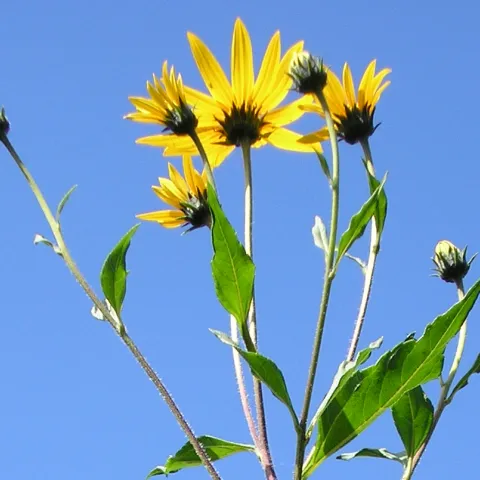
Sunchoke or Jerusalem Artichoke

Scientific Name Helianthus tuberosusGeneral Information Sunchokes, also called Jerusalem artichokes, are productive, pest-free summer perennial tubers. Plants grow 10 to 12 feet tall. They are easy to grow. Taste is like a cross between an artichoke and a water chestnut. Sunchokes are native to…
View Document
Primary Image
Tomatillo photo Abrahami
UC Marin Master Gardeners: Document

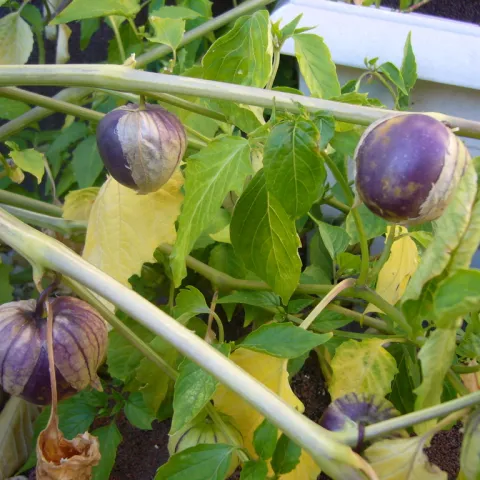
Tomatillo

Instructions for growing tomatillos, small, tomato-like fruit develops in lantern-like paper husks. Tomatillos are used in cooking and in salsas. They belong to the nightshade (Solanaceae) family. 
View Document
Primary Image
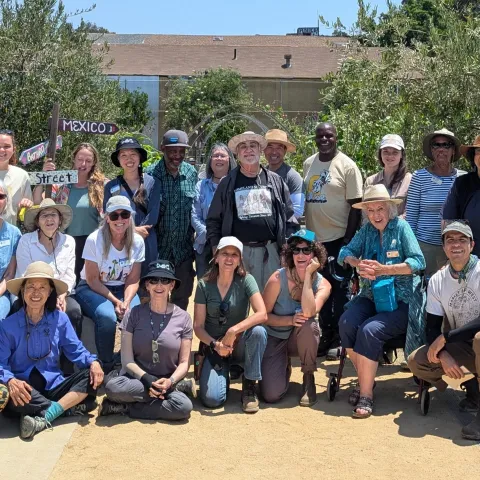
Master gardener volunteers pose for a group photo after an educational volunteer project
UC Master Gardener Program of Alameda County: Page

Become a UC Master Gardener Volunteer

Join a passionate group of nearly 200 volunteers across Alameda County who help the public learn safe, sustainable, and science-backed ways to grow your own food and manage the urban landscape.
View Page
Primary Image
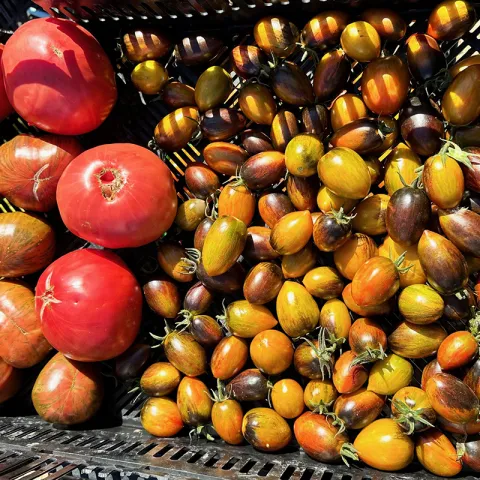
tomatoes College of Marin Indian Valley Organic Farm & Garden photo Jean Christofferson
UC Marin Master Gardeners: Document

Tomato

Scientific Name Solanum lycopersicum General Information These instructions are for indeterminate tomatoes, which grow and produce until killed by frost or disease. Determinate varieties have similar requirements but need less support and pruning and work in smaller containers. Determinate…
View Document