Apricot tree
mg-logo
UC Marin Master Gardeners

Fruit Trees

Growing Fruit Trees

Image
Tom Swinnen, Pexels
Tom Swinnen, Pexels

Fruit trees need suitable climates, well-drained soil, proper planting, and maintenance throughout the season. It takes some planning and work to get them established, but once you do it's a joy to pick fruit fresh from the garden. Here's how to create your very own home orchard. 

Site considerations

There are many things to consider when deciding which fruit trees are a good match for your garden, including:
• Careful evaluation of your microclimate
• Chill hours available (see below)
• Soil quality
• Access to water
• Space
• Protecting fruit from wildlife

Choosing a fruit tree
Select fruits you and your family enjoy for years of satisfying harvests. Courtesy UC Regents

The best way to assure success is to choose fruit trees that work in your microclimate, and to grow them in the conditions they need. One important consideration is the number of chill hours required. Fruit trees (except citrus) need a specific number of cumulative hours of chilling (temperatures between 32°F and 45°F) to break winter dormancy. This varies by variety. 
 

Preparation and planting

All edible plants require proper preparation and planting, and fruit trees are no exception. Fruit trees need proper spacing to avoid crowding and other problems. To get them off to a good start, make sure you follow guidelines for proper planting and handling. 
 

Growing instructions

Cick on the individual trees below to learn how to grow healthy trees for sweet, delicious fruit for years to come. 

> Apple
> Apricot
> Cherry
> Citrus
> Fig
> Olive
> Peach
> Pear
> Persimmon
> Plum

Pruning instructions

Pruning is different for every type of fruit tree. Most fruit trees benefit from summer and winter pruning. Refer to our full Pruning Library or click on the individual trees below for detailed tips, techniques, and timing.  

Benefits of pruning fruit trees 
• Controls size for easier harvesting and care 
• Increases strength so weight of the fruit doesn't break branches.
• Distributes sunlight evenly throughout tree 
• Regulates fruit bearing by removing excess fruitwood
• Renews fruitwood to continue strong buds and flowers
• Removes undesirable wood such as dead, broken, diseased, and crossing branches.

> HOW TO PRUNE COMMON FRUIT TREES

Maintenance

Use this maintenance schedule, which provides fruit tree care by type of tree and time of year. 


Irrigation 
Irrigation tubing

Generally speaking, fruit trees need a large volume of water -- but not every day. The correct amount of water for a given fruit tree depends primarily on the size of the tree and the heat of the day. Here's detailed irrigation advice and guidelines, including examples of how long to water using different watering methods such as drip or sprinklers.  


Pollination
Bees are an important pollinator for fruit trees. Janosch Diggelman, Unsplash

Without pollination, flowers may bloom abundantly but will not bear fruit. To avoid this frustration, learn your fruit tree's pollination requirement. This will vary depending on your tree, climate, and regional conditions. 


Fertilizing

Specialized fruit tree fertilizers can be purchased at nurseries. Be sure to follow all instructions. Do not add more fertilizer to help your tree “grow faster.” Excess fertilizer could damage your tree or get washed away in storm drains. 


Fruit thinning
Plums are a delicious summertime treat. Jen Theodore, Unsplash

Fruit trees often produce more fruit than the branches can hold when young, and more fruit than the tree can support as it matures. Thinning fruit or removing extra fruit when the fruit is small is key to harvesting good-sized fruit. The amount of fruit to thin depends on the species and the overall fruit load on the tree. 

Stone fruits produce one fruit per bud:
• Apricots and plums are fairly small, so they should be thinned to 2 to 4 inches apart on the branch.
• Peaches and nectarines should be thinned to about 3 to 5 inches.
• If excessive fruit have been set, more thinning may be required.
• If the fruit load is light, but one or two branches have a large amount of fruit, less thinning is required.

Pome fruits (apples and pears) produce a cluster of flowers and fruit from each bud:
• Thin to no more than one to two fruit per cluster, depending on the total fruit set and growing conditions. 
• Retain the largest fruit whenever possible. 
• When the crop is heavy, fruit should be spaced no less than 6 to 8 inches apart.


Propagation

If you eat a delicious peach and decide to plant the seed, you will be disappointed. Fruit trees require propagation by budding and grafting, which assures quality fruit plus disease resistance and other traits. Budded and grafted fruit trees are available bareroot in winter. 


Pests and Diseases

Integrated Pest Management (IPM) encourages natural predators to control pests in your garden or orchard. Nature provides a balance between plant pests and the beneficial insects that control these pests. The less we do to tamper with that balance, the more likely it is to work successfully. How does it differ from organic gardening? Proponents of IPM are not opposed to the use of chemical controls, but use them only when necessary and only in amounts and with proper timing to minimize a negative effect on the beneficial bugs in the garden. 

Learn more about common pests and diseases of individual fruit trees


Harvest and storage

Ripening, harvesting, and storage requirements vary by the type of fruit. Taste and texture will be at their best if you use proper strategies. Here are guidelines for storage
 

FRUIT TREE CARE CARDS TO PRINT & KEEP!

Use Master Gardener and master pruner Susan Pearson's pruning and growing cards for specific fruit trees common in Marin. Print them out and keep them for easy reference.

Image
Pruning-Card-APPLE

APPLE 
FIG 
LEMON 
PEACH 
PEAR 
PERSIMMON 
PLUM 
POMEGRANATE

BACK TO EDIBLES
> What Edible Gardens Need
> Best Choices for Marin
> How to Prepare
> How to Plant
> Edibles in Containers
> Planting Calendar
> Grow & Care Sheets for Vegetables, Herbs & Fruits
> Tips & Techniques
> How to Maintain
> Fruit Trees
> Top 20 Edible Garden Problems
> Cover Crops & Soil Enhancements in the Off-season
> Conserving Water

•••••••••

Visit our EDIBLE DEMO GARDEN at IVC Organic Farm & Garden
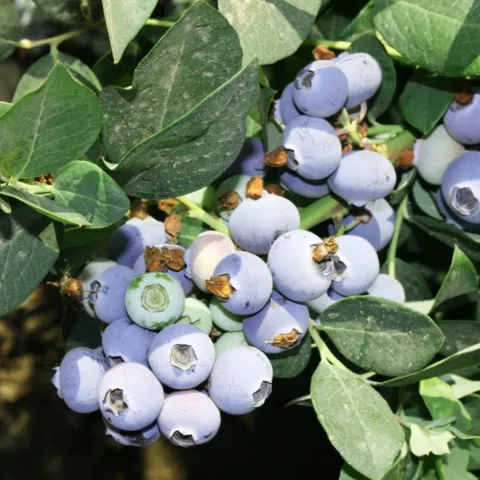
 

March 2022: Growing Blueberries

Primary Image
Choose low chill hour varieties for Marin. Brenda Dawson
Body

Blueberries
Blueberries are the focus of the newest demo garden project. Blueberries grow on long-lived and attractive shrubs and are both delicious and nutritious. They can be an ideal addition to an edible garden or to a home landscape if their growing conditions are met. Whether these conditions could be met in the edible demo garden is the question driving the project. While strawberries and raspberries have grown successfully in the demo garden, blueberries can struggle in hot dry summers.


Growing Conditions for Blueberries

Blueberries are in the Ericaceae family and are related to rhododendrons and azaleas and thrive under similar conditions. They need:

  • Full sun with some shade protection in hot weather
  • Acid soil (pH 4.5 to 5.5)
  • Ample water
  • Good drainage

Much of our Marin garden soil is not sufficiently acidic for blueberries so it’s necessary to create it using pH lowering organic amendments such as peat moss or elemental sulfur. A layer of organic mulch will help keep the soil cool and moist and will protect the shallow roots. Regular feeding with acid-forming complete fertilizers will provide nutrients and help maintain the low pH.


Selecting the Best Varieties

Blueberries native to the northeastern US require too many annual chill hours (hours with temperatures between 32 to 45 degrees), to grow well in Marin. Fortunately, there are many cultivars with low chilling requirements available. Ripening time is another consideration. There are early season, midseason, and late season varieties. Planting at least two different varieties improves pollination and increases production, so choosing kinds that ripen at different times increases harvest length. Two hybrid “varieties were chosen for the edible demo garden:

  • ‘Misty’. Classified as southern highbush variety, it produces very early, large, good-flavored fruit. It has a 150 to 300 chill hour requirement and tolerates a higher than usual soil pH.
  • ‘Blueray’. It is a southern highbush midseason variety with a chill requirement around 500 hours. It produces large, flavorful berries and is more tolerant of summer heat than some other varieties.


Promoting Production

The best fruit production requires patience and careful pruning. Removing blossoms the first year or two allows the plant to focus its energy on vigorous growth. Initially pruning all branches back to about 30% also promotes new growth. In following years, older branches or weak shoots can be removed, but fruit is produced on 1-year old wood so excessive pruning will reduce yield.

For more information, see our grow sheets on blueberries! 

If the edible demo garden blueberry project is a success, the next problem will be keeping the birds from devouring the crop.

UC Marin Master Gardeners
Primary Image
Planting a bare root tree. Photo by Joan Kozlowski
UC Marin Master Gardeners: Article

February 2022: Getting Bare Root Fruit Trees Off to a Good Start

January 31, 2022
The addition of new fruit trees added excitement to an otherwise routine month of garden maintenance. An enthusiastic group of Master Gardeners planted six organically sourced fruit trees along the garden perimeter in line with the existing plum and pear trees...
View Article

January 2022: Choosing Bare Root Fruit Trees

Primary Image
Christian Koepke, Unsplash
Body

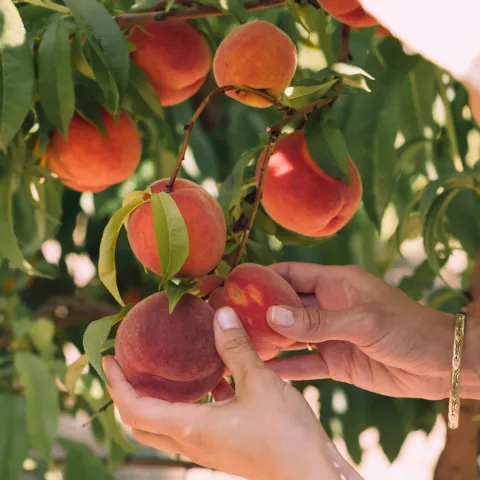
peaches christiann-koepke-Dwj_hJom_Sc-unsplash
December was a slow time in the garden.  We added a few plants like leeks and arugula but our workdays were limited due to the regular rain that came through our county.  No one is complaining though, since our drought conditions have eased somewhat.  Although we must all still be vigilant about water conservation, we revisited our idea to expand our small fruit tree orchard.

December and January are the best months to purchase bare root trees.  The supply is much better and you will have more choices.  So what does the home gardener need to consider before purchasing a fruit tree?


Climate Considerations: Chill Hours

The successful growing of deciduous tree fruits (not citrus) requires that you know how many cumulative chill hours (temperatures between 32°F and 45°F) that your area gets in the winter season. Each kind of fruit tree requires a specific number of chill hours in order to break dormancy and begin growing again in spring.

See the table below for specific hours for some popular fruits.

Type of FruitApprox. chill hours needed to break dormancyEquiv. time if continuously exposed to <45°F
Apple1200-15007-9 weeks
Apricot700-10004-6 weeks
Cherry (sweet)1100-13006-8 weeks
Figa few hours---
Olive200-3008-13 days
Peach/Nectarine650-8504-5 weeks
Pear1200-15007-9 weeks
Persimmon<1004 days
Plum European800-11005-6 weeks
Plum, Japanese700-10004-6 weeks
Pomegranate200-3008-13 days
Quince300-4002-3 weeks

*  Table adapted from UC's The California Backyard Orchard

There are also low chill varieties (usually less than 300 hours) that have been developed for apples, apricots, pears, peaches, and plums.

In general, Northern California gets about 800-1500 chill hours each winter.  Any good bare root nursery should be able to advise you about the suitability of a particular fruit tree that you want to purchase for the area where you live. 


Environmental Considerations

Light:  at the very least, 6-8 hours of sunlight daily

Space:  the right sized tree for the right space

Note: dwarf trees bear fruit earlier, but are more fussy, requiring more frequent irrigation, careful pruning, and better soil fertility.  You can grow a smaller tree just by pruning it properly when planting it and regularly pruning it to keep it small. 

Pollination Requirements:  self-fruitful (pollinates among its own flowers) or self-sterile (requires pollen from another variety)

Water Source:  an irrigation system is best but you can also water by hand


Fruit Tree Maintenance Requirements

Yearly Pruning:  both in winter and in summer

Fruit Thinning:  required to grow larger sized fruit

Common Diseases of particular fruit trees:

Pear trees: fire blight
Plum trees: plum aphid
Peach & Nectarine trees: peach leaf curl


With this knowledge in your pocket, you are ready to do some after holidays shopping at your local nursery.  Don’t let the maintenance requirements discourage you from starting your own small orchard.  Do like our team does; research and learn as you grow.  A good source for all of your questions is the UC Davis California Backyard Orchard at https://homeorchard.ucanr.edu/

Also, check out our information on:
How to plant a bare root tree
How to grow fruit trees 


UC Marin Master Gardeners
Primary Image
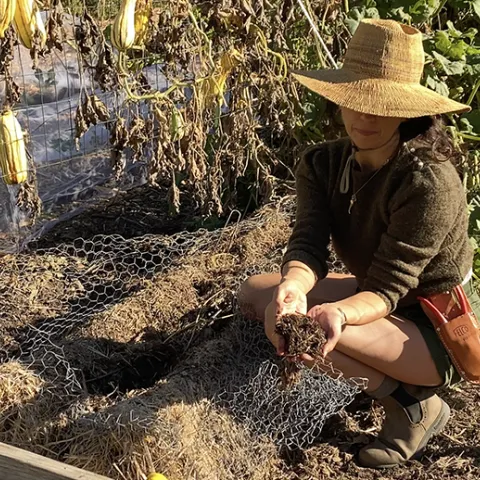
UC Marin Master Gardener Stephanie Scarpullo gathering composted straw from our straw bales. L Stiles
UC Marin Master Gardeners: Article

December 2021: Composting & Testing Your Soil

December 2, 2021
November and December are clean up times in the garden, as well as assessing the state of our garden after growing all of those heavy feeder summer vegetables...
View Article

November 2021: Integrating Native Plants in Your Edible Garden

Primary Image
Charlotte Harrison, Unsplash
Body

charlotte-harrison-B_n--JOCKlo-unsplash
In October the EDG team, with inspiration and planning by members of the MMG Native Plant Guild, added a native plant area to our edibles garden.  This small garden was installed around a vernal pool that is at the back of our garden.  Fall is the best time to plant natives so that they can reap the benefit of the upcoming rainy season and become well established before the summer heat. 


Natives help you reduce water use

With drought conditions, many people are replacing their higher water use ornamentals or even lawns with native plants.  With some native plants like our beautiful Ceanothus, you can stop irrigation totally once the plant is established.  Many other plants, like Penstemon, and Salvias require no summer irrigation at all.  As we experience more drought years, native plants will be essential for providing needed ornamentals in our landscaping.  But why would we need these plants in an edibles garden?


They attract animal life that edible plants need

Native plants attract butterflies, insects, birds, and other animals by providing a consistent supply of nectar, pollen and seeds.  They support a steady population of beneficial insects, both insects that pollinate and those that control pests.  Native plants aid all kinds of pollinators including native bees, butterflies, moths, and other insects that pollinate our edibles.  They also provide natural pest control by bringing to our gardens both predators and parasitic wasps, one of the most important biological controls that gardeners have.   Predators like the aphid-eating lady beetle can find refuge under the plants, as well as native bees a nesting site for over-wintering.  With native plants in your garden, you have built-in pollinators and pest control. 


Natives support a healthy environment

Native plants have evolved to thrive in our native soil.  Fertilizers are not needed and in fact, natives do not like rich soil or added compost. Also, because they are so great at attracting insects and animals that control garden pests, there is no need or less need for pesticides in your garden. 


Easy to care for

At the end of the summer in the edibles garden, our team spends a lot of time cleaning up plant debris and adding compost to our soil.  Native plants need none of this except for some deadheading of flowers and cutting back.  For natives, it is best to do minimal ground clean up in the fall so that beneficial insects have the protection to successfully over-winter and emerge healthy in the spring.  The native plant area decreases the impact of the more intense edibles clean up that is necessary to reduce diseases in the soil.  Our beneficial insects will have their own refuge for the winter. 

If you are considering adding some natives to your garden this fall, here is the list of plants that the Native Plant Guild chose for ours.  This was an amazing gift to our garden.

SHRUBS 
charlotte-harrison-B_n--JOCKlo-unsplash
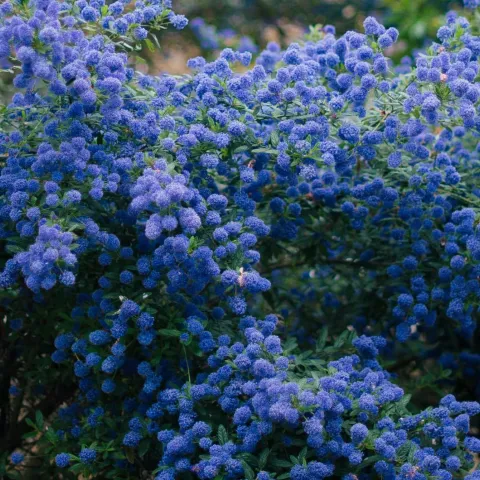
Ceanothus 'Concha'; Concha California lilac
Salvia_apiana—RPBG—wikimedia commons
Salvia apiana; Sacred white sage
Salvia_brandegeei Wikimedia commons
Salvia brandegeei; Brandegee's sage
trichostema lanatum John Rusk flickr
Trichostema lanatum; Woolly blue curls
PERENNIALS 
Anaphalis_margaritacea_-_Pearly_everlastingWikimedia commons
Anaphalis margaritacea; Western pearly everlasting
Penstemon_heterophyllus_Electric_Blue_kz2
Penstemon ‘Blue Springs’; Electric blue penstamon
salvia_pozo_blue_10 las pilitas
Salvia clevelandii ‘Pozo Blue’; Grey musk sage
Sisyrinchium_californicum Wikimedia Commons
Sisyrinchium californicum; Yellow-eyed grass
Sphaeralcea_ambigua_16 wikimedia commons
Sphaeralcea ambigua; Apricot mallow


UC Marin Master Gardeners
Primary Image
Zoe Schaeffer, Unsplash
UC Marin Master Gardeners: Article

October 2021: Seedling Transplanting Tips

October 21, 2021
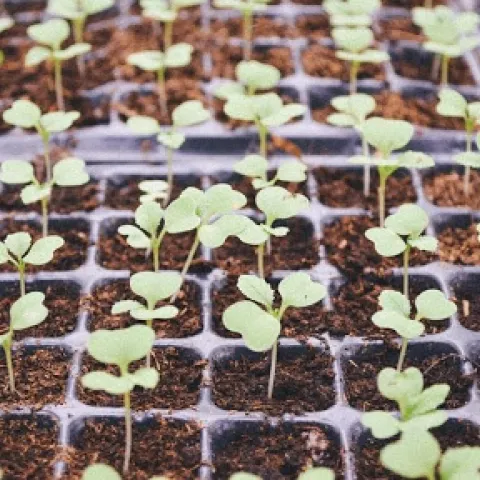
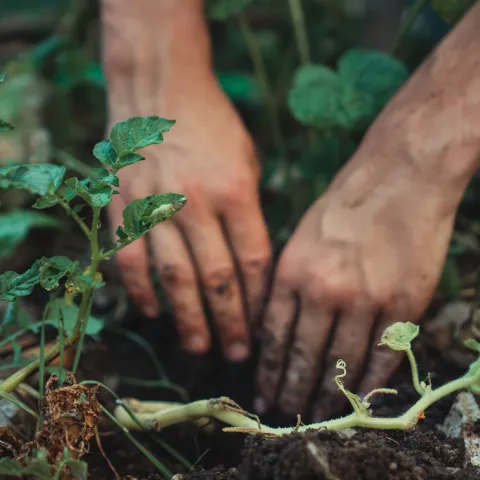
At the Edible Demonstration Garden this month, we have been following best practices for seeding our winter garden plants in the greenhouse. These practices were outlined in last months article. This month, we will begin moving some of these seedlings into the garden.
View Article
Primary Image
Seeds germinating
UC Marin Master Gardeners: Article

September 2021: Growing Your Own Plant Starts

August 26, 2021
The end of the summer is approaching and some of our plants are producing heavy harvests, particularly our summer squash, which are growing in straw bales. (See our new YouTube video on Straw Bale Gardening.)...
View Article
Primary Image
planting tomatoes
UC Marin Master Gardeners: Article

August 2021: Growing Tomatoes and Physiological Problems

August 22, 2021
What are those brown areas on the tomatoes and whats causing the plants leaves to roll up? Often the cause is physiological, which is a fancy way of saying the symptoms are caused by environmental stresses and not by pests or disease.
View Article
Primary Image
Nadine Primeau, Unsplash
UC Marin Master Gardeners: Article

July 2021: Summer Harvesting Tips

August 22, 2021
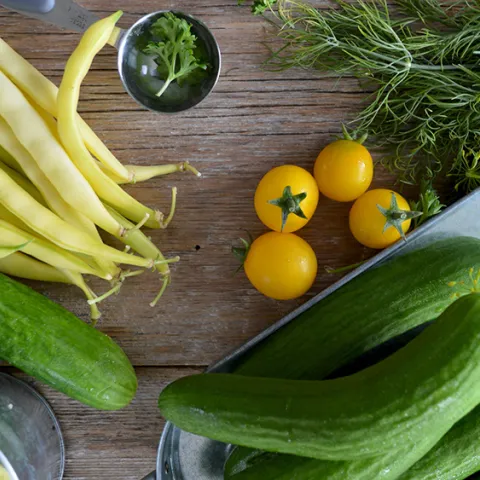
The summer solstice has passed and our garden team is waiting for the abundance of the summer harvest. Every gardener wants to pick vegetables at the height of their quality. You cant depend on the days to maturity indicated on seed packets because conditions vary year to year.
View Article
Primary Image
young-plant-WZDQUG2
UC Marin Master Gardeners: Article

June 2021: Fertilizing Your Soil

August 22, 2021
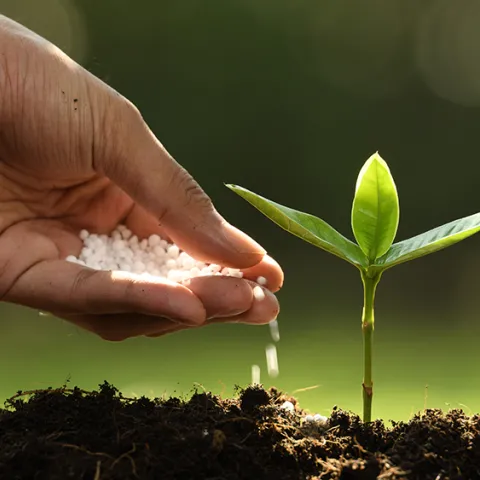
May found our team tucking summer harvest seedlings into our beds and anxiously monitoring them to make sure they have everything they need to thrive. Fertile soil is a must and the primary nutrients needed are N, (Nitrogen) P (Phosphorous), and K (Potassium)....
View Article