
Banner Leaflet
mg-logo
UC Marin Master Gardeners

Leaflet


The Leaflet

Articles available here have been published in the Leaflet e-newsletter. Leaflet subscribers receive emails with seasonal advice, gardening tips and fact-based information on how to deal with pest and garden problems. To do a search of past Leaflet articles, use the search widget at the top of the web page.

Subscribe to the Leaflet here!

>BACK TO ASK US
Marin IJ "Ask a Master Gardener" Column Archive

Spring 2026

Primary Image
spring blooms
UC Marin Master Gardeners: Article

Gardener's checklist for spring

April 14, 2025
MARCH Maintenance and preventionChop up cover crop foliage into small pieces if you grew a cover crop. Turn under or add the clippings to your compost pile.Replace path mulches that have been washed away by heavy rains.Apply two to four inches of mulch where existing mulch is thin or soil…
View Article
Primary Image
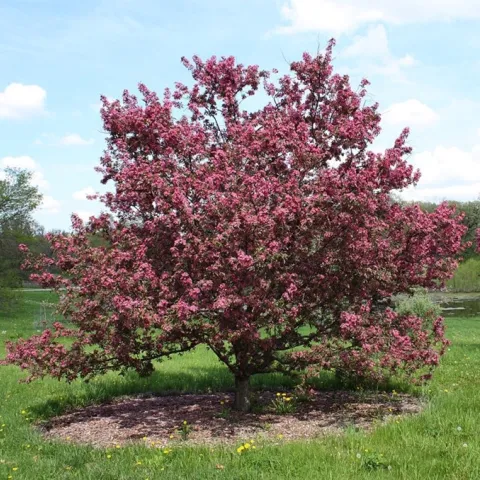
Malus ‘Purple Prince’ crabapple
UC Marin Master Gardeners: Article

The Mighty Crabapple

February 10, 2026
Few trees offer as much varied beauty as crabapples! These lovely trees are excellent additions to any landscape, offering year-round beauty as well as wildlife support. As a bonus, their fruit has culinary uses. Crabapples are relatives of the rose family and are native to North America, Europe, and Asia…
View Article
Primary Image
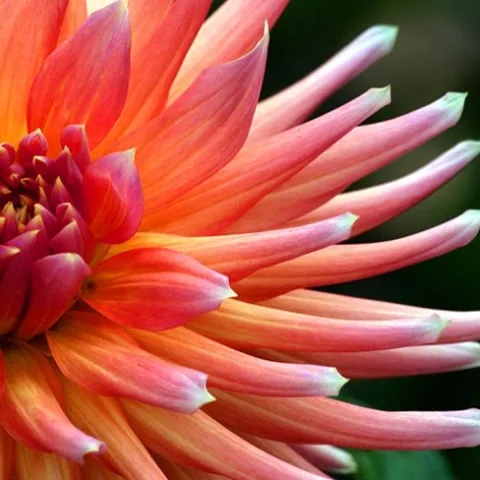
peach dahlia flower
UC Marin Master Gardeners: Article

Dreaming of Dahlias

February 10, 2026
 Looking for an easy-to-grow perennial that blooms summer through fall? How about one with flowers available in a rainbow of colors and that range from 2-inch pompoms to dinner-plate size? Dazzling dahlias at your service! These bushy plants are excellent choices in many landscape settings. Dainty white…
View Article

Winter 2025-26

Primary Image
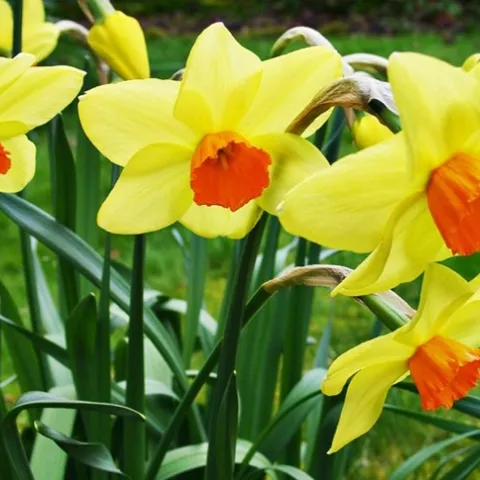
daffodils
UC Marin Master Gardeners: Article

Brighten up your winter landscape

December 16, 2025
Are you looking out your window at a dull gray day -- and garden? Wondering when the roses will start blooming again? Welcome the winter showstoppers of our Mediterranean climate! We are so fortunate to live in an area with a myriad of options for colorful foliage, berries, blooms, fragrance, and habitat for…
View Article
Primary Image
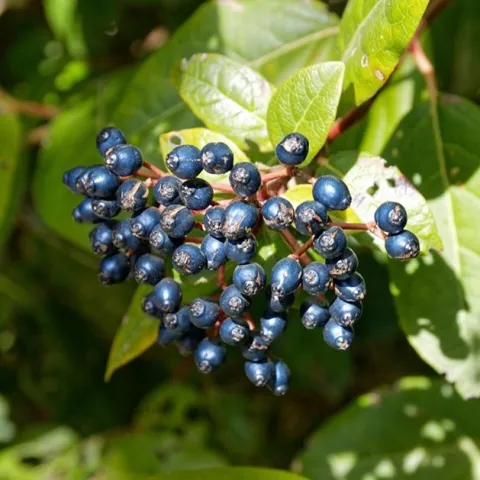
Viburnum tinus seed pods or fruits
UC Marin Master Gardeners: Article

Viburnum tinus: a hard-working, versatile, evergreen shrub

December 16, 2025
Viburnum tinus is a broadleaf evergreen woody shrub that grows 6-12 feet tall and up to 10 feet wide. It is deer, drought, and salt tolerant. Showy, fragrant flowers bloom from November to spring, much to the delight of butterflies, birds, and bees. The flowers appear in clusters, the deep pink buds and…
View Article

Growing Lettuce Year-Round

Primary Image
A harvest of crisp, bright green lettuce is satisfying anytime of the year
Body

Lettuce is generally considered to be a cool-season annual, but with a little advanced planning and some judicious plant selection, Marin gardeners can enjoy home-grown lettuce throughout the year. Our temperate climate makes it possible to modify the growing conditions for lettuce and enable the plants to thrive in all seasons. That’s good news for salad lovers!
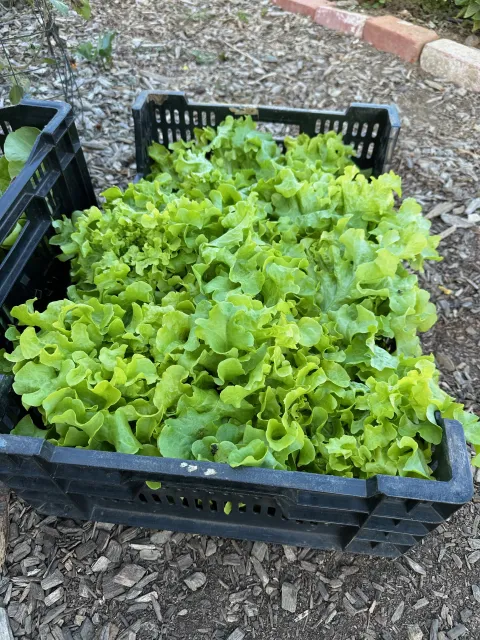
A harvest of crisp, bright green lettuce is satisfying anytime of the year

EXTERNAL IMAGE

Seasonal Challenges for Growing Lettuce

Lettuce grows best in 45-to-73-degree temperatures. Heat above 80 degrees causes most varieties to bolt (produce flowers) and become bitter. Temperatures below freezing often result in plant damage. Additionally, the shorter winter daylight hours slow or pause growth.

Volunteers in the Edible Demo Garden like a challenge, so learning how to grow a steady crop of lettuce in every season was an ideal project. Lettuce has become a popular crop at the Indian Valley Organic Farm & Garden. Although the success of the project was evident quantitatively in the over 260 heads of lettuce harvested since July 1, 2025, the qualitative gains, in terms of knowledge and experience, are immeasurable. Some key strategies identified for lettuce growing success include selecting the best varieties, succession planting, and managing environmental conditions.

Selecting the Best Varieties

Lettuce varieties are divided into four categories: crisphead, butterhead, looseleaf, and romaine. Crisphead is the iceberg lettuce found in grocery stores. It takes longer to develop and is difficult to grow in hot climates. It’s not a popular choice for home gardeners and is not a variety grown at the Edible Demo Garden.

Butterhead lettuce, also called bib lettuce, is more heat-tolerant. Varieties of butterhead that have thrived in the Edible Demo Garden are ‘Red Cross’ and ‘Aunt Mae’s Bibb’. Both are heat-tolerant and slow to bolt. ‘Red Cross’ has bright red and green leaves making it especially appealing in summer salads.

Loose-leaf lettuces include the “cut and come again” varieties with different leaf shapes, some described as oak leaf-shaped. They can be harvested by taking the outer leaves and leaving the central leaves to mature for future picking. ‘Smile’ is a bright green oakleaf variety that has performed particularly well in the Edible Demo Garden. Other loose-leaf varieties grown in the garden are ‘Morgana’ and ‘Bijella’. ‘Muir Summer Crisp’ is a dense, wavy-leafed variety that is exceptionally heat-tolerant and slow to bolt. 

Romaine lettuce, such as ‘Little Gem’ also grows well in the Edible Demo Garden but takes longer to mature and is not as heat-tolerant as other types. As a result, it is not as productive in the garden as the butterhead and loose-leaf varieties.

Succession Planting
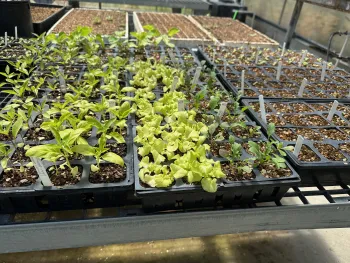
Sow lettuce seeds indoors to germinate for succession planting

A year-round lettuce harvest requires always having lettuce growing in different stages. That means starting seeds indoors or direct sowing in beds at the same time mature lettuce is being harvested. A volunteer day in the Edible Demo Garden might involve sowing lettuce seeds in cells to germinate in the greenhouse, planting the starts that are now ready in the garden beds, and harvesting the fully grown heads of lettuce for distribution in community-supported agriculture boxes. Intervals for succession planting vary according to the crop, but sowing seed every two weeks is about right for lettuce.

Managing Environmental Conditions

Lettuce requires proper watering and protection to thrive. Frequent, light watering is important for shallow-rooted lettuce. Too little water will stunt and toughen the plants, and too much water causes root rot. Mulching around the plants helps maintain moisture and keeps the leaves off the ground.
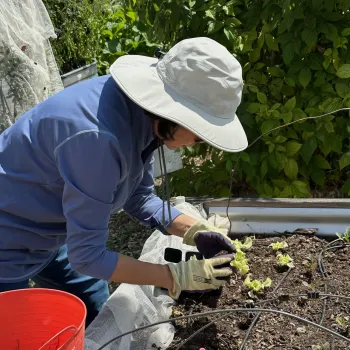
Lettuce seedlings need water and protection in outdoor garden beds

Protection from heat and pests can be challenging. Lettuce appreciates some shade in the summer, so planting it next to taller plants or using shade cloth can reduce the chances of it bolting. Animals and insects love lettuce too. In the Edible Demo Garden, lettuce beds are covered in protective netting to deter hungry birds, rabbits, and other critters. Mesh wire is placed under the beds to stop invasions from below. Even that didn’t prevent gophers from tunneling through the wood on the side of one of the beds and feasting on a few heads of lettuce. The protective netting also provides some shelter from the sun and flying insects. Aphids, earwigs, and slugs can still be a problem, so it pays to be vigilant and remove them as soon as they are discovered.

Click here for more information on growing lettuce:

https://ucanr.edu/site/uc-marin-master-gardeners/documents/lettuce

Check out our new YouTube video:
 

UC Marin Master Gardeners

Fall 2025

Primary Image
manzanita flowers
UC Marin Master Gardeners: Article

Manzanitas take a bow in winter and early spring

October 13, 2025
Like people, some plants demand center stage. California poppies and lupine are springtime darlings, followed by fragrant sage in summer and crimson maples in fall. But what about the supporting players who work hard but never seem to get the limelight? Cue the manzanitas. Manzanitas, aka Arctostaphylos…
View Article
Primary Image
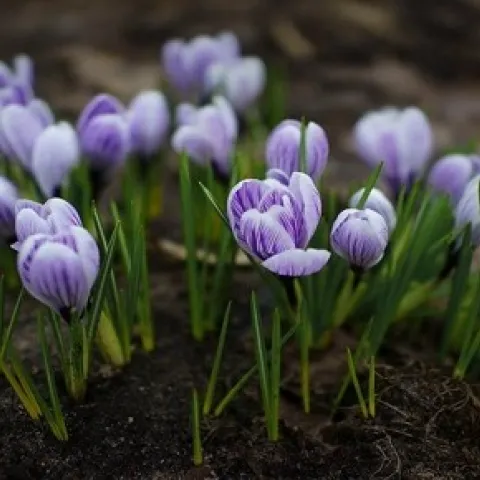
Crocus vernus ‘Pickwick’
UC Marin Master Gardeners: Article

Focus on Crocus

October 20, 2025
 Blooming in shades of purple, white, yellow, pale pink, and anywhere in between, crocus are cheerful additions to any garden. While many species bloom in early spring, some, such as saffron crocus (Crocus sativus), bloom in autumn. These different species need different care, but there’s sure to be at…
View Article
Primary Image
hose watering
UC Marin Master Gardeners: Article

Gardener's checklist for fall

September 3, 2024
It's a dry year, no doubt about it, but there are still apples to harvest, bulbs and cover crops to plant, and tools to clean. Here's a a month-by-month to-do list to keep your garden in tip top shape in the fall.
View Article

Summer 2025

Primary Image
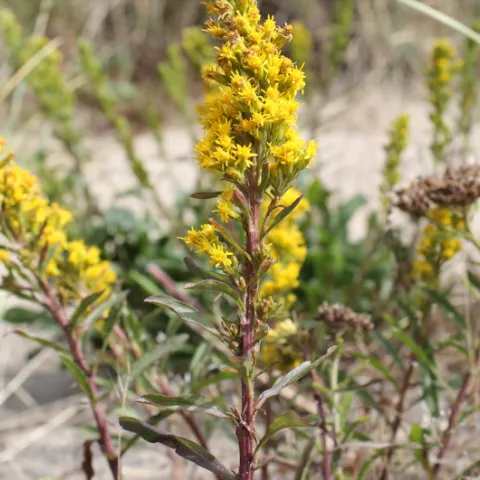
Coast goldenrod
UC Marin Master Gardeners: Article

Goldenrod (Solidago): a beam of sunshine for the summer-fall garden

June 9, 2025
Goldenrod (Solidago) is a striking California native perennial that’s easy to grow in sunny gardens. A member of the Asteraceae (sunflower) family, it is recognizable by its masses of bright yellow flowers that bloom profusely in late summer and fall. The cheery blooms are a delight in the garden as many…
View Article
Primary Image
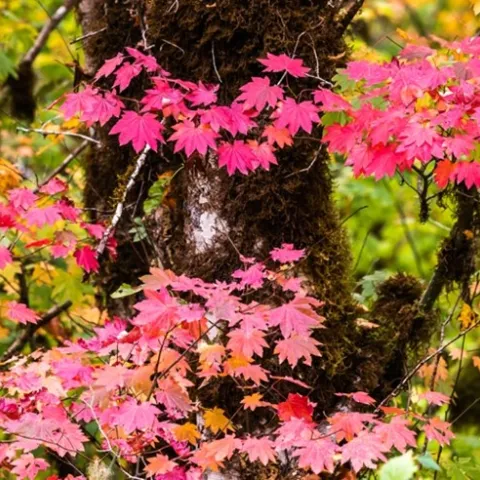
Acer circinatum
UC Marin Master Gardeners: Article

Vine maple

August 11, 2025
Vine mapleAcer circinatum Vine maple is a California native deciduous tree or shrub that typically grows 10 to 20 feet tall. In sunny settings it grows bushy and upright, but in shadier locales it spreads and sprawls closer to the ground. Vine maples grow moderately slowly. They prefer moist, shady…
View Article
Primary Image
bird at birdbath
UC Marin Master Gardeners: Article

Gardener's checklist for summer

June 20, 2024
More heat, less water. This year it's more important than ever to keep a layer of mulch in the garden, pluck water-hogging weeds, and thin fruit on fruit trees. Keep up with garden chores for your best summer garden ever.
View Article

Spring 2025

Primary Image
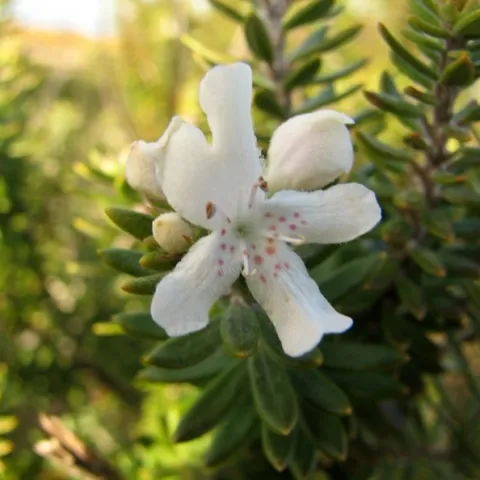
Westringia
UC Marin Master Gardeners: Article

A Westringia for every garden

April 14, 2025
 Looking for an attractive plant that uses little water, is pest and deer-resistant, looks good year-round, and can serve a variety of garden purposes? Westringia may be just the plant for you. This easy-care evergreen shrub has gray-green to green or variegated foliage. Westringia is native to…
View Article
Primary Image
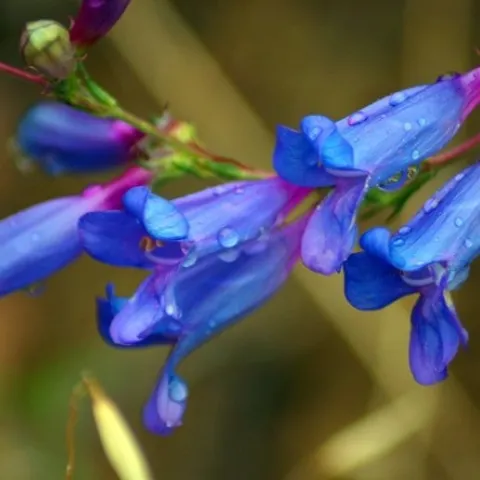
Penstemon
UC Marin Master Gardeners: Article

Penstemon: too good to be true?

April 14, 2025
 Foothill penstemon is a true blue California native that blooms profusely yet needs little water. It also attracts bees, butterflies, and hummingbirds – but deer stay away. This beautiful perennial has close relatives available in many colors: white, yellow, pink, purple, and red. Penstemon is the…
View Article
Primary Image
spring blooms
UC Marin Master Gardeners: Article

Gardener's checklist for spring

April 14, 2025
MARCH Maintenance and preventionChop up cover crop foliage into small pieces if you grew a cover crop. Turn under or add the clippings to your compost pile.Replace path mulches that have been washed away by heavy rains.Apply two to four inches of mulch where existing mulch is thin or soil…
View Article

Winter 2024-25

Primary Image
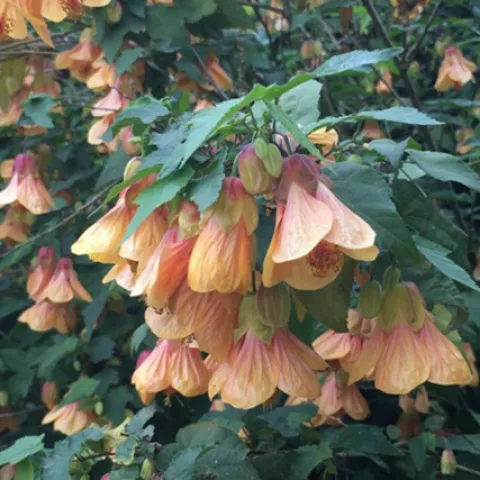
Abutilon ‘Halo’ blooms year-round in Marin. Photo: Marie Narlock
UC Marin Master Gardeners: Article

Abutilon

December 17, 2024
Abutilon is a beautiful shrub with maple-like leaves and flowers that resemble papery lanterns. Common names include Chinese bellflower, flowering maple, and Chinese lanterns...
View Article
Primary Image
Photo: Elias Rovielo, Flickr
UC Marin Master Gardeners: Article

Aeonium

January 30, 2025
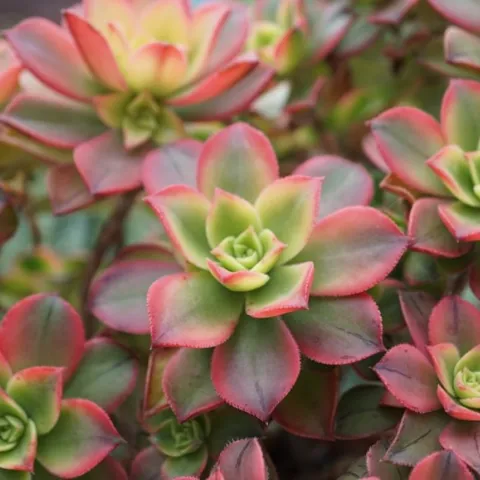
Aeonium are small to mid-sized succulents native to northern Africa and nearby islands...
View Article